• Skip to main content
  • Skip to after header navigation
  • Skip to site footer

Free-Mail

  • Events
  • Images
    • Instagram Goodness
  • Music
  • News
  • Software

Tamron 16-50mm F2.8 the kit-lens replacement every APS-C owner should consider


Tamron’s new 16-50mm isn’t perfect but offers a great combination of flexibility and price.
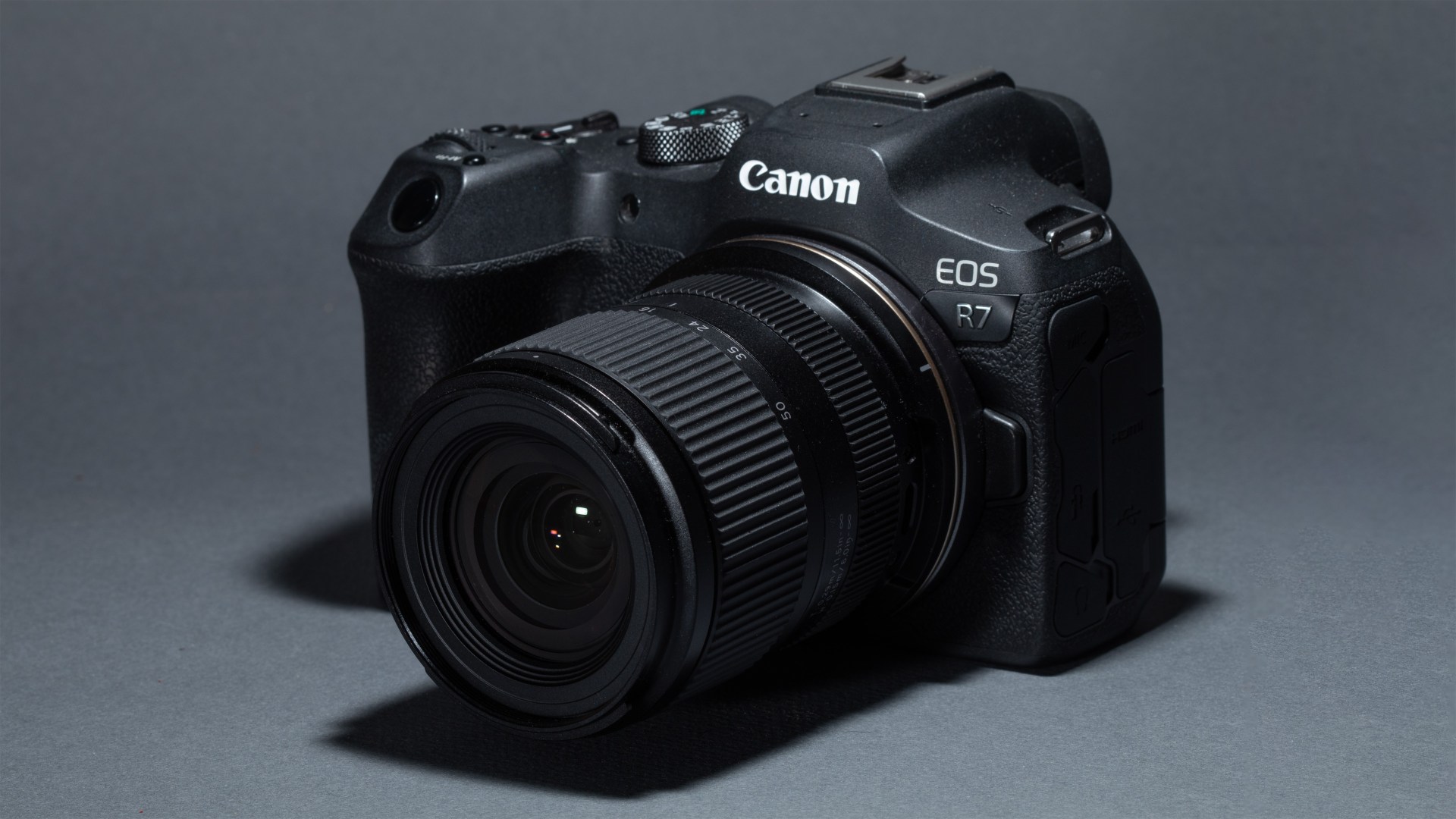
Black Canon EOS R7 mirrorless camera with attached zoom lens on a gray surface.Richard Butler

When you use DPReview links to buy products, the site may earn a commission.

Hot on the heels of Sigma’s 50-120mm F2.8 OS: a compact, fast, affordable tele option for APS-C shooters comes the Tamron 16-50mm F2.8 A, a similarly fast, even smaller, more affordable standard zoom that will make most APS-C cameras better.

We’ve been shooting with the Tamron for a week or so and have come to really appreciate its combination of range, speed, size and price. It’s not a match for the best own-brand F2.8 zooms, several of which cover a slightly longer 16-55 range and may include stabilization. But it’s also appreciably cheaper than any of those lenses.

White lighthouse with red roof on a rocky shoreline beside calm blue water and a distant sailboat.
Tamron 16-50mm F2.8 A @ 16mm | F8.0 | 1/400 sec | ISO 100
Extending out to 16mm, even on a Canon body, where that only gives a 25.6mm equivalent field of view, makes the Tamron more flexible than the similarly-priced Sigma 18-50mm.
Richard Butler

It’s approximately 5mm longer than Sigma’s 18-50mm F2.8, and is available for more of the common APS-C lens mounts, in that Nikon has licensed the production of a Z-mount version, in addition to Sony E, Canon RF and Fujifilm X.

It features an internal focus design powered by a voice coil motor, which seems to perform quickly and silently. We’re not out trying to shoot sports with a standard zoom, but there’s no obvious lag or slowness when compared with an own-brand lens on the Canon EOS R7.

Pile of weathered driftwood logs on a sandy beach with shrubs and a clear blue sky.
Tamron 16-50mm F2.8 A @ 16mm | F2.8 | 1/3200 sec | ISO 100
Distortion has been corrected on this image but vignetting hasn’t. Stopped-down versions of this image appear in the gallery, letting you see how this vignetting cleans up.
Richard Butler

There’s some barrel distortion at the wide end and some pincussion and the long end, both of which are corrected by profile, neither of which is particularly extreme but both of which are worth correcting. There’s little obvious image degradation in the corners to doing so.

Vignetting, especially at F2.8 and wide focal lengths, is recognizably present, though again you can correct this using the built-in profile. Correcting the distortion pushes the worst of the vignetting out of the frame and, depending on your subject, you may prefer to leave it uncorrected.

Portrait of a person with short blond hair wearing a dark shirt outdoors.
Tamron 16-50mm F2.8 A @ 50mm | F2.8 | 1/250 sec | ISO 100
We’d generally suggest a prime lens for portraiture, but the 50mm @ F2.8 is definitely a step up, compared with the standard APS-C kit zoom
Richard Butler

An F2.8 standard zoom is never going to be a bokeh monster, and you’ll need to think in terms of close subjects and distant backgrounds if you want very shallow depth-of-field, but the bokeh itself doesn’t seem too complex, fussy or distracting.

Close-up of an orange-brown evergreen branch against a blurred green background.
Tamron 16-50mm A @ 50mm | F2.8 | 1/1250 sec | ISO 100
This shot, taken near minimum focus distance, shows the bokeh to be relatively smooth and pleasant, if you can get good subject-to-background separation
Richard Butler

Close focus distance ranges from 15cm (6?) at the wide end to 29cm (11.5?) at the 50mm end, with a maximum magnification ratio that doesn’t stray too far from a relatively modest 1:4.5. Corner performance and vignetting are much more of an issue at these closest focus distances, particularly at the wide end of the lens. So, given the maximum reproduction ratio isn’t much lower (1:4.8) and the sharpness and brightness are more consistent, we’d suggest using the long end of the lens when you want to focus close. This also has the advantage of a minimum object distance that’s further from the front of the lens.

Close-up of a green maple leaf with holes and brown edges on dark gravel.Richard Butler
Close-up of a green maple leaf with holes and brown edges on dark soil.Richard Butler

Tamron 16-50mm F2.8 A @ 16mm | F2.8 | 1/250 sec | ISO 100
16mm shot at around minimum focus distance

Tamron 16-50mm F2.8 A @ 50mm | F2.8 | 1/320 sec | ISO 100
50mm shot at around minimum focus distance

The 16-50mm isn’t optically perfect, with it sharpening up distinctly as you stop down towards F5.0. But even then, the differences are small enough that you’ll typically only notice when comparing two images side-by-side at extreme close-up.

Surf Bait and The Shore House storefront with surfboard, kayak, and cold beer signs.
Tamron 16-50mm F2.8 A @ 16mm | F6.3 | 1/160 sec | ISO 100
Corner detail holds up well, even after distortion correction.
Richard Butler

As a day-to-day lens it’s a significant step up from most kit zooms, and gives a little more creative flexibility, thanks to its wider maximum aperture. F2.8 is two stops brighter than the typical F5.6 end of a kit zoom, which is a benefit you’ll notice.

It’s not necessarily going to open up new worlds of photography for APS-C owners (adding a fast prime lens in your preferred focal length may have more impact, in that regard). And it’s not likely to have too many own-brand F2.8 zoom owners kicking themselves at not waiting for its arrival. But as a small, sensibly-priced everyday and travel option, it’s probably going to make more impact for most APS-C users than upgrading their camera body will.

Loading gallery…

Sony E-mount Fujifilm X-mount Canon RF-mount Nikon Z-mount {“dac1137f-06f7-4ea6-b26d-5f08c3e8a843”:{“title”:”Sony E-mount”,”imageUrl”:””,”retailersHtml”:”\t\t

  • \n\t\t\t
    \n\t\t\t\t\n\t\t\t\t\tShop Now at B&H Photo\t\t\t\t\t\t\t\t\t\t\t\t\t\t\t\t\t\t\t\t\n\t\t\t

    \n\t\t\t\t\t

  • \n\t\t\t\t

  • \n\t\t\t
    \n\t\t\t\t\n\t\t\t\t\tShop Now at Adorama\t\t\t\t\t\t\t\t\t\t\t\t\t\t\t\t\t\t\t\t\n\t\t\t

    \n\t\t\t\t\t

  • \n\t\t\t\t

  • \n\t\t\t
    \n\t\t\t\t\n\t\t\t\t\tShop Now\t\t\t\t\t\t\t\t\t\t\t\t\t\t\t\t\t\t\t\t\n\t\t\t

    \n\t\t\t\t\t

  • \n\t\t”},”6c7e499c-4260-42b5-b597-cd9084f2ba93″:{“title”:”Fujifilm X-mount”,”imageUrl”:””,”retailersHtml”:”\t\t

  • \n\t\t\t
    \n\t\t\t\t\n\t\t\t\t\tShop Now at B&H Photo\t\t\t\t\t\t\t\t\t\t\t\t\t\t\t\t\t\t\t\t\n\t\t\t

    \n\t\t\t\t\t

  • \n\t\t\t\t

  • \n\t\t\t
    \n\t\t\t\t\n\t\t\t\t\tShop Now at Adorama\t\t\t\t\t\t\t\t\t\t\t\t\t\t\t\t\t\t\t\t\n\t\t\t

    \n\t\t\t\t\t

  • \n\t\t”},”8e505cf0-127b-48df-b653-8f921acade18″:{“title”:”Canon RF-mount”,”imageUrl”:””,”retailersHtml”:”\t\t

  • \n\t\t\t
    \n\t\t\t\t\n\t\t\t\t\tShop Now at B&H Photo\t\t\t\t\t\t\t\t\t\t\t\t\t\t\t\t\t\t\t\t\n\t\t\t

    \n\t\t\t\t\t

  • \n\t\t\t\t

  • \n\t\t\t
    \n\t\t\t\t\n\t\t\t\t\tShop Now at Adorama\t\t\t\t\t\t\t\t\t\t\t\t\t\t\t\t\t\t\t\t\n\t\t\t

    \n\t\t\t\t\t

  • \n\t\t”},”d6db4d8b-9832-4ad1-80af-4d51a0004b1d”:{“title”:”Nikon Z-mount”,”imageUrl”:””,”retailersHtml”:”\t\t

  • \n\t\t\t
    \n\t\t\t\t\n\t\t\t\t\tShop Now at B&H Photo\t\t\t\t\t\t\t\t\t\t\t\t\t\t\t\t\t\t\t\t\n\t\t\t

    \n\t\t\t\t\t

  • \n\t\t\t\t

  • \n\t\t\t
    \n\t\t\t\t\n\t\t\t\t\tShop Now at Adorama\t\t\t\t\t\t\t\t\t\t\t\t\t\t\t\t\t\t\t\t\n\t\t\t

    \n\t\t\t\t\t

  • \n\t\t”}}

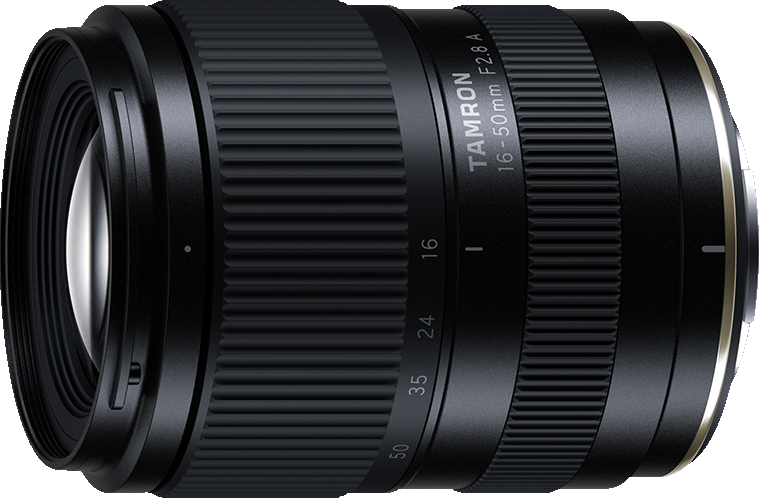
    Side view of Tamron 16-50mm F2.8 A lensTamron

    Sony E-mount

    The Tamron 16-50mm F2.8 is a fast, unstabilized standard zoom for APS-C mirrorless cameras. Its compact dimensions and usefully wide 16mm starting point make it an interesting option to replace the kit zoom on a lot of APS-C cameras, delivering a classic 24-75mm equiv range for most users.
    • Shop Now at B&H Photo
    • Shop Now at Adorama
    • Shop Now

    Quick Specs

    Lens Type
    Zoom lens

    Zoom range
    Normal

    Fisheye
    No

    Perspective control
    No

    Macro
    No

    Mirror
    No

    Max format size
    APS-C / DX

    Minimum Focal length (W)
    16 mm

    Maximum Focal length (T)
    50 mm

    Max aperture (W)
    F2.8

    Max aperture (T)
    F2.8

    Min aperture (W)
    16

    Min aperture (T)
    F16

    Aperture ring
    No

    No. of diaphragm blades
    7

    Full specs

    Tamron 16-50mm F2.8 A

    Principal specifications
    Lens type
    Zoom lens

    Max Format size
    APS-C / DX

    Image stabilization
    No

    Lens mount
    Canon RF, Fujifilm X, Nikon Z, Sony E

    Aperture
    Aperture ring
    No

    Number of diaphragm blades
    7

    Aperture notes
    Circular diaphragm

    Optics
    Elements
    14

    Groups
    10

    Focus
    Minimum focus
    0.15 m

    Maximum magnification
    0.22×

    Autofocus
    Yes

    Motor type
    Voice coil motor

    Full time manual
    No

    Focus method
    Internal

    Distance scale
    No

    Physical
    Weight
    305 g

    Diameter
    64 mm

    Length
    80 mm

    Zoom method
    Rotary (extending)

    Power zoom
    No

    Zoom lock
    No

    Filter thread
    55 mm

    Hood supplied
    Yes

    Hood product code
    HB091

    Tripod collar
    No

    No results found

    About the Author: Richard graduated as a scientist but had a lot more fun writing and shooting for his university magazine. A number of years spent variously as a reporter, writer and editor on science and engineering titles combined his knowledge of science with his interest in images and words. But it was spotting the connections between emission spectra, white balance and all the nonsense he’d taught himself playing around in Photoshop that helped kindle an interest in digital photography. Searching for a camera led to him discovering DPReview and Richard was recruited by Phil Askey in 2007. He’s been combining his love of photography, communication and attention to detail (pedantry?) ever since. He has unusually strong opinions about lenses for the APS-C format.

    Follow DPReview to ensure our independent journalism reaches your feeds.

    add as a preferred source on google
    follow on google discover

    Comments Forum View
    Loading comments…

    Our DPREVIEW Tribute:

    After nearly 25 years of operation, DPReview closed on 10 April 2023. This difficult decision was part of the annual operating plan review that parent company, Amazon, shared earlier this year.

    Over the course of 25 years, DP Review built up a reputation as being one of the most informative places to go for information about that new camera or lens you’re after. DP Review began as an independent reviews site based in the UK in 1998, the brainchild of Philip and Joanna Askey, but it was eventually purchased by Amazon in 2007 and relocated over to Seattle in the USA in 2010.

    Cheers DPReview – thanks for the great work and content that guided photographers, videographers and techno junkies the world over!

    Share this:

    • Share on Facebook (Opens in new window) Facebook
    • Share on X (Opens in new window) X
    • Share on Pinterest (Opens in new window) Pinterest
    • Email a link to a friend (Opens in new window) Email
    • More
    • Share on Tumblr (Opens in new window) Tumblr
    • Print (Opens in new window) Print
    • Share on LinkedIn (Opens in new window) LinkedIn
    • Share on Reddit (Opens in new window) Reddit
    Published on 27 October 2026 by Alan Category: DP ReviewTag: camera, dpreview, review

    Top 5: 10 tips for IoT home automation, Configuration management tools, and more

    Top 5: 10 tips for IoT home automation, Configuration management tools, and more: In this …

    Read moreTop 5: 10 tips for IoT home automation, Configuration management tools, and more

    Summer Infant Baby Touch Digital Color Video Monitor Reviews

    Summer Infant Baby Touch Digital Color Video Monitor 3.5″ color video display Digital …

    Read moreSummer Infant Baby Touch Digital Color Video Monitor Reviews

    Melbourne Design Week Lecture: Marjetica Potr?

    Melbourne Design Week Lecture: Marjetica Potr? – a Africa interest event taking place on …

    Read moreMelbourne Design Week Lecture: Marjetica Potr?

    About Alan

    Previous Post:Why are Matthew Perry’s Friends co-stars are missing from devastating Netflix doc?
    Next Post:Coastal Mississippi Lights Up this Holiday Season with Dazzling Parades and Cherished Traditions

    Reach Trust

    Reach Trust is a holding trust for a number of companies within the Stratlec Group.

    Copyright © 2026 · Free-Mail · All Rights Reserved · Powered by Straton Electrical

    Back to top