
Your snacks may be delicious, but are they safe?:

Food safety is a concern for Nigerians after increasing reports of food-borne illnesses in recent years. According to the Consumer Advocacy for Food Safety and Nutrition Initiative (CAFSANI), consumption of unsafe food in Nigeria results in about 173 million cases of diarrhoea and approximately 33,000 deaths due to foodborne illnesses.
The country has over the years experienced repeated outbreaks of diseases that can be transmitted through contaminated food, including cholera and lassa fever.
Food safety is a global issue affecting everyone, regardless of location or social status. According to the World Health Organization, food-borne diseases affect an estimated 600 million people annually, resulting in 420,000 deaths globally.
Nigeria has significant challenges when it comes to food safety – behaviour around food hygiene. For most developing countries, it can be difficult to practise food safety when clean water and sanitation aren’t available. Some of the other factors that influence food safety in Nigeria are population growth, income inequality, long food supply chains, education gaps and poor regulation.
As a microbiological expert, I am often asked, “how safe is my snack?” The answer to this is not straightforward. It depends on various factors like where the ingredients come from, and how snacks are prepared and stored.
In Nigeria, snacks are small food items that are eaten between meals – a quick bite, as a stand-alone treat or with a beverage. They may be savoury or sweet. Examples include chin-chin, meat pie, puff-puff (deep fried dough), sausage rolls (gala), suya (grilled meat), akara (bean cake), kilishi (dried beef jerky), roasted corn, plantain and groundnuts.
These are usually available from street vendors, in local markets and from supermarkets. Supermarket snacks usually come pre-packaged from the factories while snacks purchased from street vendors and open markets are packaged in a variety of materials such as newspapers for suya and kilishi, polyethylene bags for chin-chin and puff-puff and reused plastic bottles for groundnuts. This unconventional packaging may increase the risk of contamination with microorganisms.
There are simple and effective ways to make snacks safer for everyone. Choosing ingredients from trusted sources and following proper food preparation and storage methods can make a big difference.
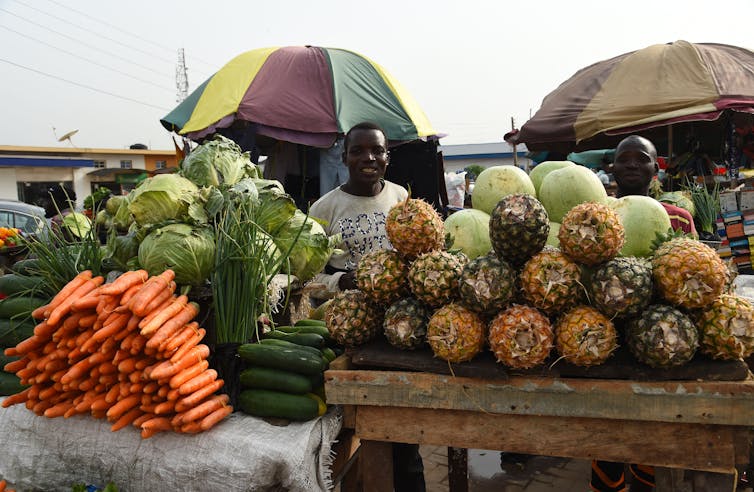
By following the tips I offer here, you can enjoy your snacks and reduce the risk of foodborne diseases. Remember, “an ounce of prevention is worth a pound of cure”.
Managing the risks
The source of ingredients: One of the main things that affect the safety of your snack is where its ingredients come from. Raw materials, including fruits, vegetables and animal products, can be contaminated with harmful microorganisms, such as bacteria, viruses, and parasites.
These microorganisms can cause food-borne illnesses if they are not properly handled and cooked.
To reduce the risk of contamination, it is important to buy ingredients from trusted suppliers who have good hygiene practices.
When buying fresh produce, look for signs of spoilage, such as mould, discolouration and foul odours. Avoid buying pre-cut fruits and vegetables, as they are more susceptible to contamination. Always wash fruits and vegetables thoroughly with clean running water before using them.
There are also things to watch out for when buying processed food. Food processing, such as canning and freezing, can kill harmful microorganisms and extend the shelf life of products. But poor processing and handling can lead to contamination and spoilage.
Safe handling and storage: It’s important to follow good hygiene practices, such as washing your hands thoroughly with soap and water before handling food and using clean utensils and equipment. To avoid cross-contamination, separate raw and cooked foods and use different cutting boards for different types of food. Cook food to the appropriate temperature to kill any harmful microorganisms present.
Proper storage can prevent the growth of harmful microorganisms and extend the shelf life of products. Store perishable items, such as meats, dairy products and cooked foods, in the refrigerator at temperatures of 40°F (4°C) or below.
Keep dry foods, such as crackers, cookies and chips, in a cool, dry place away from moisture and heat.
Packaging and labelling: The packaging and labelling of snacks provide important and valuable information about their safety. Look out for products with clear, easy-to-read labels that include information about the ingredients, nutritional content and allergens.
Products with damaged or bulging packaging should be avoided as this could be a sign of contamination or spoilage.
Read more: Nigeria’s street food adds to the plastic problem – green leaves offer a solution
Symptoms of food-borne diseases
Knowing the most common types of foodborne illnesses and their symptoms is very important. The most common microorganisms that cause food-borne illnesses include salmonella, E. coli, listeria and norovirus.
Symptoms of food-borne illness can range from mild, such as nausea and diarrhoea, to severe, such as kidney failure and paralysis – the inability to move some or all parts of your body.
If you experience or observe any symptoms of food-borne illness after eating a snack, seek medical attention immediately. Food-borne infections can spread quickly, and it is important to take preventive measures to avoid the spread. Wash your hands frequently and avoid food preparation or handling until you fully recover.
In conclusion, ensuring the safety of your snack requires careful consideration of various factors that can affect its quality and safety. These include the source of ingredients, processing and preparation methods, storage, packaging, labelling, and awareness of common food-borne illnesses.

Helen Onyeaka does not work for, consult, own shares in or receive funding from any company or organisation that would benefit from this article, and has disclosed no relevant affiliations beyond their academic appointment.
: The Conversation – Articles (AFRICA)
Have you tried: Farking?