
Swimming pools v wild swimming – a germs expert on which is worse:
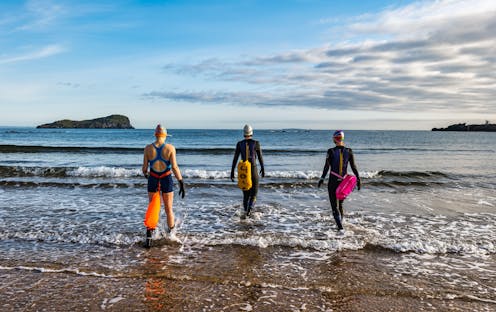
Wild swimming has grown massively in popularity in recent times. Not only is swimming outdoors a pleasant way to enjoy the sunshine, fresh air and green leafy surroundings, it can also help to relieve stress and elevate our endorphins. This creates a sense of wellbeing as well as burning calories and exercising muscles.
But along with the joys of outdoor swimming come some dangers. Not only are wild swimmers more at risk from tides, currents and swells, there can also be nasty bugs and bacteria lurking in the water. And with untreated sewage regularly flowing into seas, rivers and lakes across the country, it can be hard to find a safe spot for a paddle.
Of course, swimming in a pool comes with its own set of risks. Urinary tract infections, ear infections and tummy bugs are the most common illnesses caught here. Dirty pools can also cause your eyes to sting and harbour all sorts of bacteria and germs – including urine, faeces and sweat. In many ways, swimming pools are like a big bath filled with lots of strangers.
But while it’s clear that swimming in outdoor waters carries different risks from swimming in a pool, the question of where’s safest to swim may not seem immediately obvious. So where’s cleanest for a dip: swimming pools, or rivers, lakes, canals and the sea? Let’s look at the evidence.
Toxic waters
Unlike swimming pools where waters are carefully monitored, outdoor waters are constantly changing in composition. This means that chemicals can leach into wild waters from nearby farms or industrial areas, animals can defecate in water, and in certain areas human sewage may be legally or otherwise dumped into the water (if you can see pipes, do not get in).
There may not be signposts warning of local dangers, and the presence of toxic agents might not be obvious. When in doubt about the chemical safety of outdoor waters, it’s better to not enter them. If the water doesn’t look or smell right, trust your instinct.
There are also natural hazards to outdoor waters compared with pools, especially in the summer. Blue–green algae is a type of bacteria naturally found in lake ecosystems. In warm summers, the algae tends to multiply and form a powdery green scum (known as a bloom) on the surface of the lake. This blue-green algae bloom can release toxins which are harmful to humans and occasionally lethal to pets.
Swimming in or swallowing water containing toxin-releasing algal blooms can lead to skin rashes, eye irritation, severe gastrointestinal upset, fever, and muscle and joint pain.
Bacteria and viruses
Diarrhoea is the most common illness linked to open-water swimming, often due to sewage contamination. You become ill if you swallow contaminated water, which can contain bacteria and viruses such as E.coli and Norovirus.
Rats living in sewers adjacent to freshwater rivers or canals can also carry in their urine the bacterial pathogen Leptospira, which causes Leptospirosis (Weil’s disease). The infection occurs if soil or water from a lake, river or canal that contains urine from infected animals is swallowed, gets in a swimmer’s eyes or a cut.
Read more: Faeces, urine and sweat – just how gross are hot tubs? A microbiologist explains
Leptospirosis can cause liver and kidney damage, and may be fatal if left untreated. If you develop flu or jaundice symptoms up to two weeks after swimming in a river or canal, it may be a good idea to ask your doctor for a Leptospirosis test.
As for the sea, a 2018 study found that people swimming in seawater were more likely to experience infections of the ear, nose, throat and gastrointestinal system than those who stayed on the beach. So it’s a good idea to wash after swimming in any outdoor waters, and certainly before eating food.
The verdict
When you add it all up, even with the possibility of people peeing and pooping in the pool, a managed swimming pool will always be a safer environment for a swim. Especially when you consider things like jellyfish stings and the additional risks that come with swimming in cold water.

Compared with a pool, wild swimmers are more likely to become unwell from swimming in outdoor water as there will always be potentially disease-causing microbes present.
Swimming pool water, with adequate chlorine disinfection levels and pH maintenance, is much less likely to contain infectious microorganisms and so represents a much safer environment for recreational swimming. Injuries and drowning are also much less likely in pools where trained lifeguards and safety equipment are present.
Perhaps, then, an outdoor managed swimming pool offers the best of both worlds – a swim with the sun on your back in a sanitary environment.

Primrose Freestone does not work for, consult, own shares in or receive funding from any company or organisation that would benefit from this article, and has disclosed no relevant affiliations beyond their academic appointment.
: The Conversation – Articles (UK)
Have you tried: Farking?