
Serena Williams: why more athletes are retiring later:
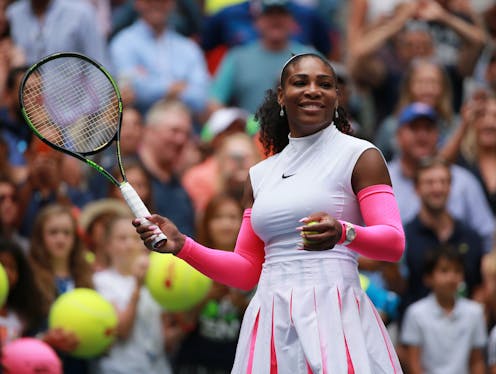
Serena Williams has announced she’s retiring. The tennis star has had a long and decorated career, winning 23 grand slams and establishing herself as one of the most well-known professional athletes in the world. Williams, who is 40, joins a host of other professional athletes who have continued to compete well beyond the typical retirement age for athletes – which is between 28-32 years of age. Other notable athletes still competing at the highest level of their sport after 40 include English cricketer James Anderson (who is 40) and American surfer Kelly Slater (who is 50).
There are many reasons an athlete may choose to retire from sport, such as injury, illness, fitness or family. But a combination of better training, nutrition and recovery techniques may help explain why a growing number of athletes are competing past what was once considered their “prime”.
Training
Athletes have a wealth of support systems to help them in their training – including their coach, who helps them reach their peak for certain performances and recover between games or competitions.
The “old school” approach to training consisted of high-intensity exercise to failure or fatigue – essentially pushing an athlete until they couldn’t do any more during that training session. The main benefit of this approach is that it’s time-efficient, as the more intense the exercise, the less time is needed to achieve the benefits of training.
But a more structured approach is now favoured by many athletes and coaches. The reason for this shift in training styles is thanks in large part to research over the past 20 years showing burnout and injuries are more common as a result of overtraining caused by high-intensity exercise.
To avoid this, most athletes now use polarised training, which favours moderate-intensity training. Polarised training still improves performance, but with less likelihood of injury or burnout. Athletes may also use concurrent training, which combines both strength and endurance training in the same session. This kind of training is especially useful, considering most types of sports combine both strength and endurance.
Sports scientists and coaches now also understand a lot more about the demands of a sport, so they try to tailor training to target specific weaknesses or strengths in an athlete’s performance. All of this leads to less overtraining, illness and injury – which can help extend an athlete’s playing life.
Recovery
We also now know more about the best ways to help an athlete recover.
For example, sleep is now known to be extremely important for an athlete’s performance. This is because sleep releases human growth hormone, which is important for muscle growth and maintaining muscle mass. This not only allows an athlete to perform at their best, it also helps them be ready for their next training session or competition.
Since the body secretes less human growth hormone as a person ages, ensuring an athlete gets a good night’s sleep can be one strategy for helping them avoid this and maintain their athletic performance.
Research also continues to reveal the best approaches for recovery after competition or training. Ice baths are extremely popular now, as these reduce muscle soreness and can help athletes recover more quickly when needed.
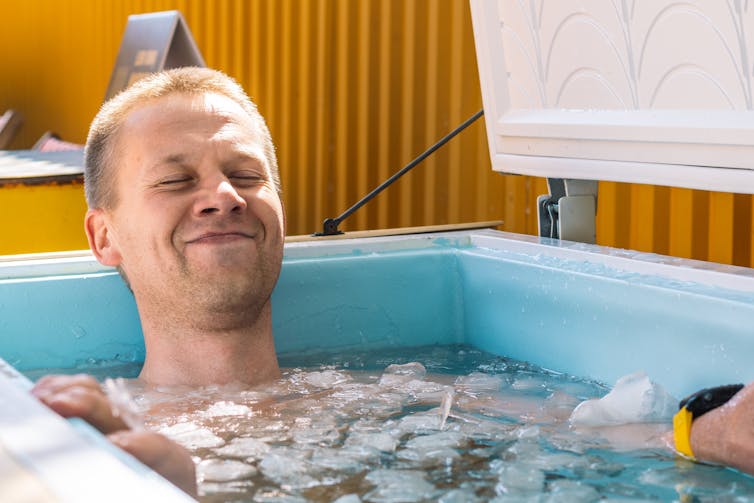
In recent years, more athletes are adopting post-exercise recovery – such as ice baths or compression garments. However, the research on how useful these techniques are is still mixed. Athletes may also use wearables to track how long it takes their body to recover, which may better guide their training.
Better recovery means athletes are less likely to suffer from fatigue or injuries, which may help them compete longer.
Nutrition
Different diets and supplements can be used to enhance performance and recovery.
For example, probiotics (live microorganisms often found in fermented foods, such as yoghurt or kimchi) have been shown to help improve the absorption of key nutrients associated with immune system and bone health. This could help an athlete recover faster between competitions.
Good nutrition is also key for a long career. It’s well known that as we age we need to maintain our muscle mass differently. This may require adjustments to protein intake depending on the changing demands of exercise.
Personalised diets are also being adopted by athletes which may take into account their genetics, immune function and digestive system to ensure they’re eating the best diet for their body and to enhance recovery.
Personalising diets and changing them throughout their career can allow athletes to maintain their health and performance.
Mental health
An athlete’s mental health is a big reason many decide to retire from competition.
Read more: Serena Williams: why many female athletes feel pressure to retire after becoming mothers
Research shows that athletes are more likely to experience mental health problems (such as anxiety) during their peak age of performance. But having the right psychological support can prevent mental health problems in athletes, and also give them the right coping mechanisms to deal with the stresses of high level competition. Research even shows making mental health a priority during training and competition is key to continued success.
As we learn more about training, ageing, nutrition and supporting athletes, there’s no doubt we will only continue to see more athletes extending their careers. If they continue to enjoy the sport, adapt to change and maximise their health along the way, it seems logical to continue.

Gary Brickley does not work for, consult, own shares in or receive funding from any company or organisation that would benefit from this article, and has disclosed no relevant affiliations beyond their academic appointment.
: The Conversation – Articles (UK)
Have you tried: Travelling to South Africa?