
One in four UK birds now on endangered species red list due to habitat loss and climate change:
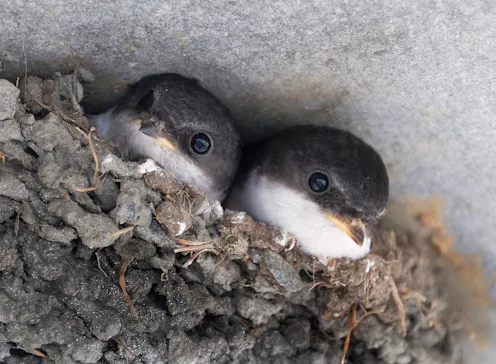
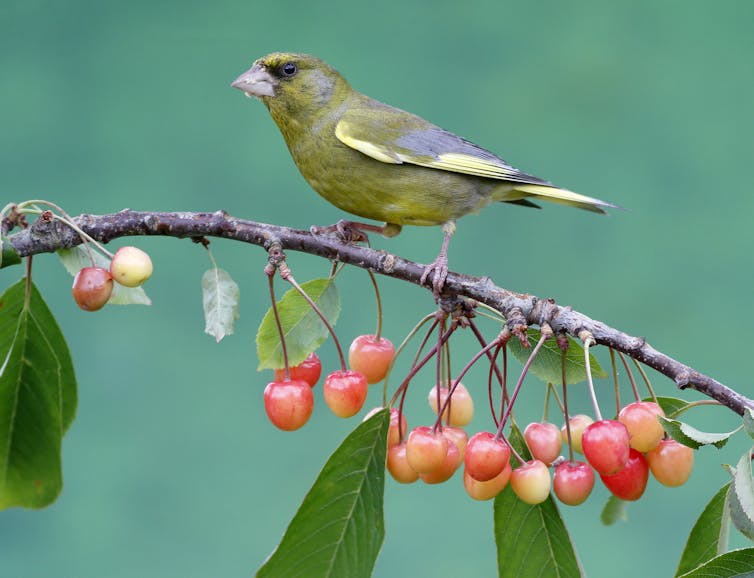
The red list of Britain’s most endangered birds now stands at 70 species – virtually double the number it held in 1996. This means one in four of the country’s regularly occurring breeding or wintering birds are in serious trouble. Newcomers to the red list since the last estimate in 2015 include familiar species such as the house martin, swift and greenfinch.
These listings are the result of a comprehensive stocktake of the UK’s breeding and wintering birds, led by thousands of citizen scientists, environmental charities and government agencies. The stocktake categorises birds as green, amber or red in order of increasing concern to conservationists.
So, what explains these gloomy trends, and what, if anything, can we do about it?
It will come as no surprise that human activities are responsible for many of these species being red-listed. Farmland birds, such as turtle doves, have long been in decline, having suffered through decades of increasingly intensive management of agricultural land, which has robbed them of habitat and food.
More recently, upland species and seabirds have also started to show serious declines, due in part to their particular vulnerability to climate change. For example, warming oceans support fewer sandeels – prey for breeding seabirds such as puffins and kittiwakes. Similarly, warming temperatures in the uplands reduce larval survival of soil-dwelling invertebrates that are important prey for birds like golden plover.
Two of the UK’s best-loved summer visitors – swifts and house martins – have now joined the red list, with swifts having declined by 58% in the UK since 1995. Both these species, which catch and eat insects on the wing, migrate to Africa in winter where their survival is poor during drought years. In their UK breeding grounds, failure to find nests in modern or refurbished houses and dwindling insect populations are two of the biggest causes of their decline.
Wetland birds which usually spend winters in the UK also seem to be faring badly as a result of climate change. Four species from this group joining the red list are smew, dunlin, Bewick’s swan and goldeneye. All breed in places to the north and east of the UK, but as winters become milder near these breeding grounds, they no longer need to make risky and arduous journeys to reach the UK’s milder climate.
This phenomenon, known as short-stopping, where birds curtail their journey in continental Europe before they reach Britain, accounts for some of the decline in numbers around the UK. But there is also evidence of overall population declines, which are probably linked to climate change, among high Arctic breeders such as Bewick’s swan.
From red to amber
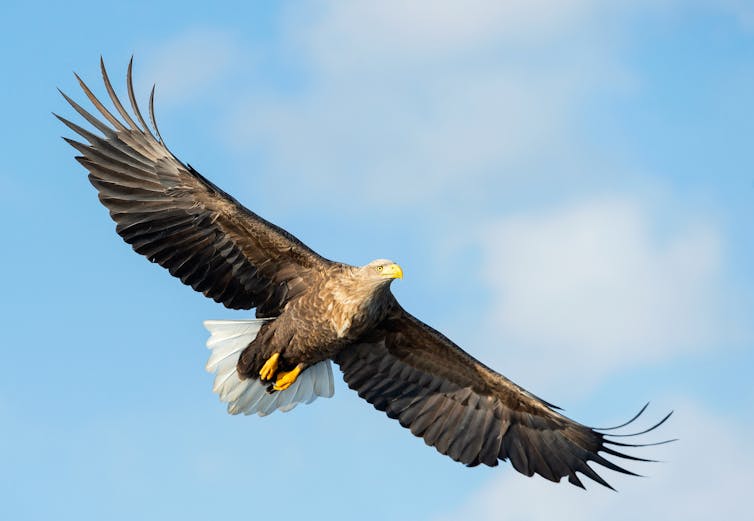
Despite widespread declines across all the UK’s bird species, the stocktake does show that targeted conservation action can work. The 2021 red list no longer includes the white-tailed eagle, the UK’s largest bird of prey, which has moved to the amber list thanks to a successful reintroduction programme which restored numbers alongside strong protection measures.
By investing in approaches to conserving biodiversity which encompass entire landscapes and coupling it with effective monitoring, we understand more about what’s effective for halting wider declines. This helps us keep track of how species are responding to human efforts to preserve them. This entails working with citizen scientists, whose data underpinned this stocktake of Britain’s birds, and enabling people everywhere to play an active role in tackling the climate and biodiversity crises.
Many of the red-list species need landscape-scale changes, particularly to how the UK produces food and fuel. Governments preparing for the 15th UN biodiversity conference in April 2022 must act to not only prevent extinctions, but also restore depleted populations and keep common birds common. Birds, afer all, are indicators of the health of the world around them – get it right for them and we get it right for an awful lot else, including ourselves.

Juliet Vickery has received funding from the UK government through the Darwin Initiative. Viola Ross-Smith and David Noble of the British Trust for Ornithology helped write this article.
: The Conversation – Articles (UK)
Have you tried: Visiting Port Elizabeth?