
Nairobi is at risk from another cholera outbreak. Why this isn’t necessary:
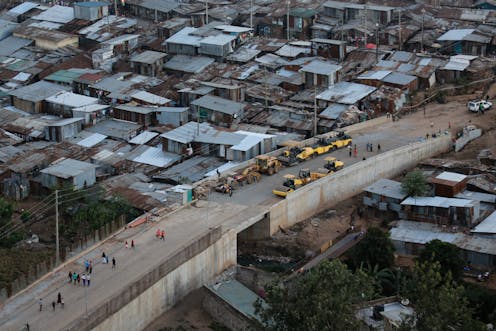
Flooding has affected households across Nairobi – even in the city’s high-end diplomatic enclaves. Its effects range. In addition to the deaths and serious injuries, vexing traffic jams have been intensified due to swamped roadways and stalled cars and schools have also been forced to close.
But nobody is more affected than people living in the city’s massive informal settlements, or slums. It’s estimated that slums are home to about two out of every three of Nairobi’s four million inhabitants.
Urban flooding has intensified because the city’s growth has outpaced improvements in infrastructure. Clogged drains, illegal construction that obstructs waterways and poor management of solid waste are just the tip of the iceberg.
In the slums, open sewers overflow quickly, bringing flash floods with them. Harmful waste gets washed into the rivers that snake through the city – rivers from which some people draw water to wash clothes, prepare food, irrigate their crops and livestock.
Because of these conditions the city is under constant threat of another major cholera outbreak. In 2017 more than 4,000 cases were reported across the country, 70% of them in Nairobi. Nairobi also had a cholera outbreak in a high-end hotel.
Cholera – transmitted when people ingest food or water contaminated with fecal matter containing cholera germs – can be deadly if not treated immediately.
To prevent this happening again, Kenya needs to do two things as a matter of urgency. It needs to strengthen its health system so that it’s able to respond to potential cholera outbreaks. It also needs to improve infrastructure development planning to prevent potential disasters that could lead to health hazards.
Health
Cholera is treatable, and more importantly, preventable. But on several occasions Kenya’s health system has not been well prepared to respond to cholera outbreaks in Nairobi. This has included a failure to identify and trace people who have the disease as well as the reporting and management of suspected cases.
The way the 2017 cholera outbreak was managed provides useful pointers about what can go wrong. Firstly, the first reported cases were met with denial. This included public health officials. On top of this people who had contracted the disease weren’t properly isolated and there wasn’t adequate contact tracing and treatment. This means that more cases showed up in different locations.
The pattern seems to be repeating itself. Even though five cholera cases were reported last week in Naivasha, a town only 100 kilometres from Nairobi, the city doesn’t seem to have an effective plan in place. It should already have launched a concerted public health education campaign to promote hygiene and sanitation. It should also have got treatment facilities ready.
Infrastructure
Even though the heavy rains were forecast there’s little evidence that the city made plans to mitigate against serious risks to health and safety.
This isn’t a new challenge. One school administrator in Viwandani slum for example reported that flood waters had created unsafe conditions for learners at her school every year for the past five years. The school has been forced to close each time.
Following the onset of flooding this month, Nairobi City County set aside Kshs 194 million (USD$ 1.9 million) for emergency services. Of this only Kshs 32 million (USD$ 300 000) will be spent on maintaining the drainage system.
But this is too little, too late. People depend on government to be proactive, not reactive. It would have been more efficient –- and possibly cheaper –- to make these improvements during the dry season and before the onset of the rains.
The government needs to take weather forecasts seriously by planning, budgeting, and implementing infrastructural improvements to prevent flooding from happening in the first place, and to manage them better when they do happen.
The threat of epidemics
The tools to make sure the right preparations are made are all in place. For example, the county government has the mandate (and the legal tools) to enforce infrastructural standards, the maintenance of sanitation facilities, the provision of health education as well as the provision of medical care.
This is not too much to expect. But the political will seems to be missing.
This means that Kenyans are unnecessarily put at risk. Epidemic outbreaks can severely tax even the strongest health system, and require coordination at all levels both in terms of service delivery and awareness. Epidemics can escalate quickly in countries where health systems are weak. The Ebola emergency in West Africa is a case in point.
Continued outbreaks of cholera in this day and age are an indictment on Kenya’s lack of commitment to contain diseases that can be prevented. The health challenges that Nairobi can expect in the wake of heavy rains are largely preventable. And even when they do happen, such as when there’s a cholera outbreak, the country has sufficient resources to respond adequately.
Carol Wainaina, a research officer at African Population Health Research Center, contributed to this article.

Abdhalah Ziraba does not work for, consult, own shares in or receive funding from any company or organisation that would benefit from this article, and has disclosed no relevant affiliations beyond their academic appointment.
: The Conversation – Articles (AFRICA)
Have you tried: Visiting Port Elizabeth?