
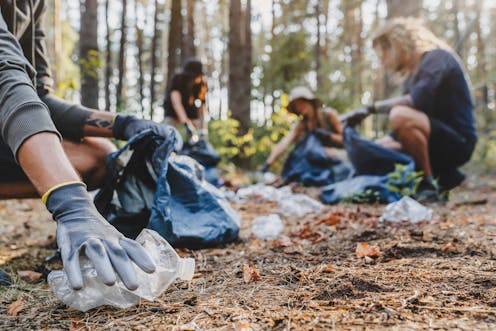
If you’re aged between 25 and 34, you’re part of the age group least likely to take part in volunteering.
Only 19% of 25-34 year olds in England volunteered at least once in 2021-22. By comparison, 29% of 16-24 year olds volunteered in the same period, and the average for all age groups was 27%.
There are all kinds of good reasons why people in their twenties and thirties don’t volunteer. If you’re in this group, you’re likely to be busy establishing your career and relationships, as well as perhaps having and looking after children. It’s more than likely that you’re just really busy.

This article is part of Quarter Life, a series about issues affecting those of us in our twenties and thirties. From the challenges of beginning a career and taking care of our mental health, to the excitement of starting a family, adopting a pet or just making friends as an adult. The articles in this series explore the questions and bring answers as we navigate this turbulent period of life.
You may be interested in:
How community gardening could ease your climate concerns
Three ways to get your nature fix without a garden
How often do you think about the Roman empire? TikTok trend exposed the way we gender history
You may also face obstacles to volunteering if you have a disability, come from a marginalised community, or struggle financially.
But volunteering can be extremely beneficial for volunteers, recipients, and society. By not volunteering, 25-34 year olds are largely missing out on these benefits, while organisations that need volunteers are missing out on their skills and abilities. Here are five reasons that might lead you to consider helping out at your local library, food bank or youth club.
Why to do it
Wellbeing: Volunteering can be good for both your physical and mental health. There is a host of psychological and other research in support of the immediate and longer-lasting wellbeing benefits of volunteering, such as improved confidence and life satisfaction.
Much of the mental health benefit from volunteering comes from engaging with other people – often people that you wouldn’t ordinarily meet. And for your physical health, volunteering can provide opportunities for doing different types of physical activity, such as working on a community garden, coaching a youth sports team, or even moving stock in a charity shop.
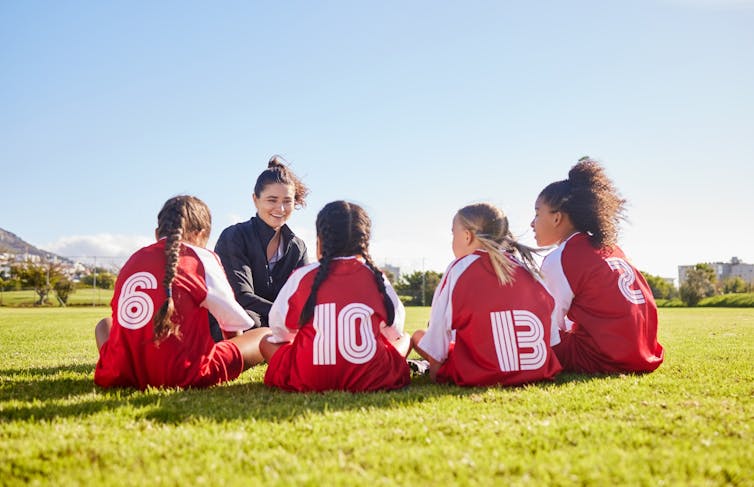
Friendship: Making friends as an adult can be tricky – especially now many jobs are hybrid or fully remote, meaning you can’t socialise easily with colleagues. Volunteering can provide you with the opportunity to meet new people and build social connections.
Even if friendships only last for the duration of the volunteer activity, this is still beneficial. This can be particularly significant for people who would otherwise be at risk of being isolated. Meeting new people can also help open up further opportunities beyond volunteering. You can become part of new social networks where information and other resources get shared, such as new job opportunities.
Employability: Although volunteering can lead to paid work, this is not the typical pathway outside of specific work-training programmes. Instead, volunteering is a very good way to fill your CV, show that you’re willing to be proactive and learn skills that can easily be transferred to a workplace. These are highly desirable traits for employers.
Volunteering is also an opportunity to learn new skills or to practise and refine existing ones. These could be role-specific technical skills, such as learning to use a particular piece of equipment. More often, though, you’ll improve your “soft” interpersonal skills. By volunteering in a charity shop or being a “befriender”, for example, you’ll gain experience talking to people from different walks of life.
Be a role model: Children and young people who grow up in households where adults volunteer are themselves much more likely to volunteer as adults. And people that volunteer in their youth are more likely to continue volunteering as adults. If you have children, or are thinking about having them, taking part in volunteering is a way of demonstrating and passing on kindness, compassion and care for your community.
Enjoyment: This is a simple but often overlooked reason. Volunteering can be a fun and enjoyable thing to do.
How to do it
Despite all these benefits, fitting in regular volunteering might sound daunting – if not completely impossible. However, there are ways you can get the benefits of volunteering while taking part in a flexible way that suits your schedule and circumstances.
You could try episodic volunteering, which requires less regular commitment. This could be helping out with a beach clean over a weekend, or occasionally marshalling a local parkrun.
Your employer might coordinate volunteering opportunities that you can take part in during work hours – such as helping maintain a local park as part of a team building day. Some companies also have “community champions” to make links with their local community.
Or you could look for skills-based volunteering that builds on strengths you already have. If you plan events for your employer, for instance, you could lend this expertise to a charity. Or if you’re an accountant, you could offer pro bono advice to a local community group.
You can even volunteer online. While we traditionally view volunteering as something that takes place face-to-face, volunteers can carry out tasks through digital technology. For example, if you volunteered as a befriender to someone, you could spend time with them online or stay in contact via text. It’s worth thinking about how you could give volunteering a go.

Kris Southby receives funding for research and evaluation from a range of sources, including voluntary and community sector organisations, local authorities, NHS and research councils
: The Conversation – Articles (UK)
Have you tried: Farking?
 Peak Design Camera Cube V2 review: Padded pouches keep your camera safe in any bag