
Long COVID: a range of diets are said to help manage symptoms – here’s what the evidence tells us:
Most people who contract COVID recover within a few weeks. But for some people, symptoms can develop later, or persist for a long time after the initial infection. A recent review of the evidence on long COVID suggests the condition affects at least 65 million people around the world, occurring after at least 10% of COVID infections, and affecting all age groups.
Common long COVID symptoms include fatigue, shortness of breath, and difficulties with memory and concentration (“brain fog”). Symptoms can worsen with physical or mental exertion. We’re still learning about long COVID, and treatment options are very limited.
Recently, some people, for example on social media, have been talking about a variety of diets as ways to manage long COVID symptoms. But what are these diets, and what does the evidence say?

This article is part of Quarter Life, a series about issues affecting those of us in our twenties and thirties. From the challenges of beginning a career and taking care of our mental health, to the excitement of starting a family, adopting a pet or just making friends as an adult. The articles in this series explore the questions and bring answers as we navigate this turbulent period of life.
You may be interested in:
What’s it like being a young person with long COVID? You might feel like a failure (but you’re not)
Smartwatches could help detect and track COVID – here’s what the research shows
The anti-inflammatory diet
The process by which the immune system protects us from harmful pathogens is called inflammation. But too much inflammation can be a bad thing. Scientists believe that many of the symptoms associated with long COVID arise from chronic inflammation.
We know that some foods can promote inflammation, while studies have shown that components of certain foods may have anti-inflammatory effects.
So an anti-inflammatory diet involves avoiding foods that elicit inflammation, such as fried foods, refined carbohydrates, sugar, red and processed meats, and lard.
Instead it focuses on foods that reduce inflammation, such as tomatoes, olive oil, green leafy vegetables, nuts, fatty fish and fruits such as strawberries and blueberries. These foods are high in antioxidants and compounds which help protect against inflammation.
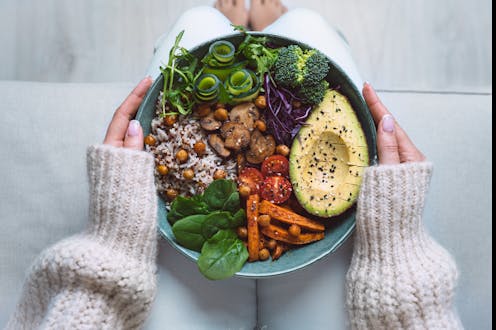
If you’re looking for a diet that closely follows the tenets of anti-inflammatory eating, consider the Mediterranean diet. Following a Mediterranean diet means eating lots of fruit, vegetables, nuts, whole grains, fish and healthy oils. This diet is rich in vitamins, minerals and dietary fibre, and has an anti-inflammatory effect in the gut.
Researchers have suggested the Mediterranean diet may have benefits in reducing the severity of a COVID infection in the short term, as well as in addressing longer-term symptoms.
The low histamine diet
Histamine is a compound released by cells, often in response to an injury or an allergic reaction. If we have hay fever or are stung by a bee, we might take an antihistamine.
Histamine can lead to inflammation and can be a problem when we can’t break it down properly, and levels get too high. Symptoms when this happens can include headaches, diarrhoea, wheezing and fatigue.
Many of these symptoms are similar to those reported with long COVID. Some scientists have proposed that the increased inflammatory responses seen with long COVID could be caused by increased histamine release by dysfunctional immune cells, which we’ve seen before with other conditions.
A low histamine diet involves restricting the intake of food and drinks considered high in histamine for several weeks, before gradually reintroducing them to test tolerance. These include alcohol, fermented foods, dairy products, shellfish, processed meats and aged cheese, as well as wheat germ and a range of fruit and vegetables.

However, there appears to be lack of consensus on which foods are truly high in histamine. And as the foods are wide ranging, this can be a tricky diet to implement without potentially causing nutritional deficiencies.
Although some people have reported an improvement in their symptoms by following a low histamine diet, there have been no studies published in this area. Given the lack of evidence and the associated challenges, elimination of dietary histamine is not currently recommended for long COVID.
The plant-based diet
Plant-based eating refers to diets where the majority of energy is derived from plant foods, such as vegan and vegetarian diets. Plant-based diets are beneficial to markers of inflammation and may favourably alter immune function.
More specifically, a well-balanced plant-based diet is high in fibre, antioxidants, good fatty acids and a range of vitamins and minerals, which positively affect several types of cells implicated in immune function and may exhibit direct antiviral properties.
For example, compounds called polyphenols found in fruits and vegetables may improve the functionality and activity of natural killer cells, an immune cell that patrols the body recognising abnormal cells.
Though some long COVID sufferers have touted the benefits of a plant-based diet, its usefulness to alleviate long COVID symptoms has not yet been examined in clinical trials.
Nevertheless, evidence from studies done before the pandemic suggests a plant-based diet may benefit some conditions that can also affect people with long COVID – including fatigue, headaches, anxiety, depression and muscle pain.
Read more: COVID and your gut: how a healthy microbiome can reduce the severity of infection – and vice versa
Take-home message
Some diets, such as a low histamine diet, are not currently backed up by enough data when it comes to the management of long COVID.
But a varied Mediterranean diet or well managed plant-based diet can provide certain nutrients which have positive effects on immune function and may protect against chronic inflammation. That said, more research is still needed as to how these diets may affect long COVID.
If you’re considering changing your diet to manage long COVID symptoms, it’s best to consult your GP first to ensure you can do so safely.

The authors do not work for, consult, own shares in or receive funding from any company or organisation that would benefit from this article, and have disclosed no relevant affiliations beyond their academic appointment.
: The Conversation – Articles (UK)
Have you tried: Travelling to South Africa?