
A cool Camps Bay Beach image:
Image from page 30 of “What to see in America” (1919)
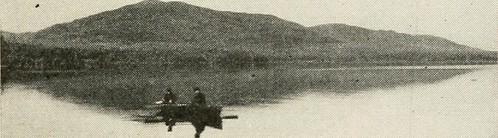
Image by Internet Archive Book Images
Identifier: whattoseeinameri00john
Title: What to see in America
Year: 1919 (1910s)
Authors: Johnson, Clifton, 1865-1940
Subjects: United States — Description and travel
Publisher: New York, The Macmillan Company London, Macmillan and Co., limited
Contributing Library: New York Public Library
Digitizing Sponsor: MSN
View Book Page: Book Viewer
About This Book: Catalog Entry
View All Images: All Images From Book
Click here to view book online to see this illustration in context in a browseable online version of this book.
Text Appearing Before Image:
hundred persons who constitute this tribe have permanent dwellings on the outskirts of the wilderness at Oldtown, where they occupy an island in the river. The levels of many of the wilderness lakes vary only a few feet, and boatmen, by short portages, or by none at all, pass easily from one to another. Hunters, fishermen, and other pleasure-seekers often make long trips on the streams and lakes for days and weeks at a time. A guide and two persons can travel comfortably in a canoe and carry a tent, food, and the necessary camp utensils. In the fallshooting season thou-sands of sportsmencome to the wildlands from the citiesnear and far. Scarcely less wellknown than ]\Ioose-head Lake are theRangeley Lakes, nestling among forested hills in the northwest corner of the state. They are called a fishermans paradise. There are five of them, all connected by navigable waterways, and small steamers ply on them and call at the various camps.The entire Maine coast from Portland to New Brunswick
Text Appearing After Image:
MoosEHEAD Lake and Squaw Mountain 8 What to See in America is a labyrinth of headlands, bays, and isles. In the oppositedirection it is indented comparatively little, and here arethe sandy beaches of Old Orchard, York, and other well-known summer resorts. Maines shore fisheries are im-portant, and more than seventy factories are engaged incanning lobsters, clams, and small herring. Lobsters arecaught in cage-like traps called lobster pots. Men and boysdig the clams on the mud flats at low tide. In Europe vari-ous little fishes have long been canned as sardines, and since1875 this industry has developed on the coast of Miaine.The herring used for the purpose are caught in weirs. Small steamers thread the channels among theislands and bring a mul-titude of visitors everyyear. The largest andmost beautiful of theislands is Mt. Desert,which is about fourteenmiles long and sevenbroad. There are thir-teen mountains on it,and an equal number oflakes nestle in the hol-lows and wild ravines.Ch
Note About Images
Please note that these images are extracted from scanned page images that may have been digitally enhanced for readability – coloration and appearance of these illustrations may not perfectly resemble the original work.
Image automatically curated and published by www.free-mail.co.za – CLICK HERE to learn more about WP Robot for WordPress.
Have you tried: Farking?