
I’m a sheep and cattle farmer in England, and Brexit has left farmers in fear for their futures:
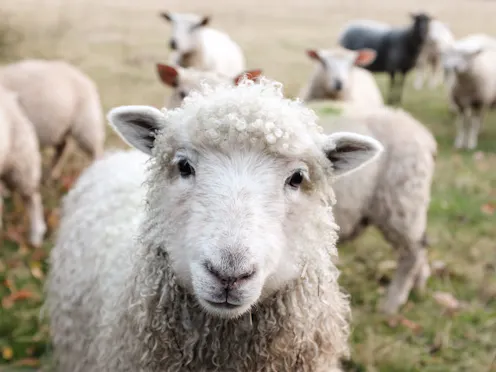
You either love him or hate him, but Jeremy Clarkson’s documentary series about trying to get to grips with sheep rearing, tractor driving and running a farm shop at Diddly Squat Farm has certainly found an audience.
As someone who lives and works on the family farm and experiences the harsh realities in the show, I have found it enjoyable and relatable. Clarkson’s farming efforts were rewarded with a mere £142 in his first year. He did break the bank with a Lamborghini tractor and his crop yield was hit by unusually severe weather, but it gives a sense of how hard it is making money in farming.
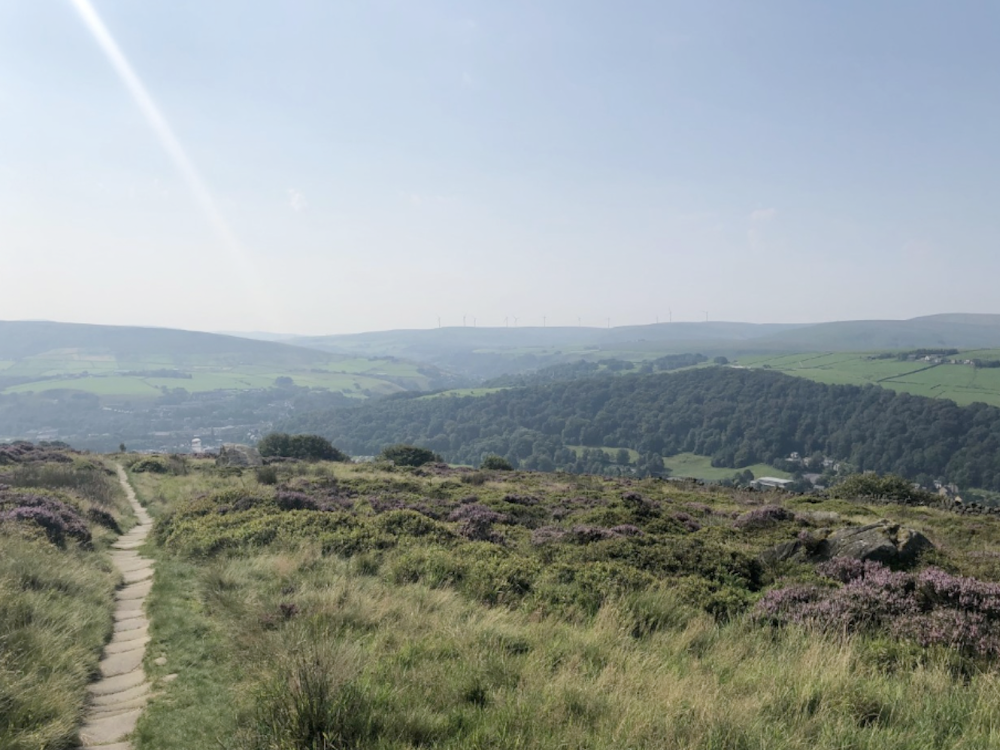
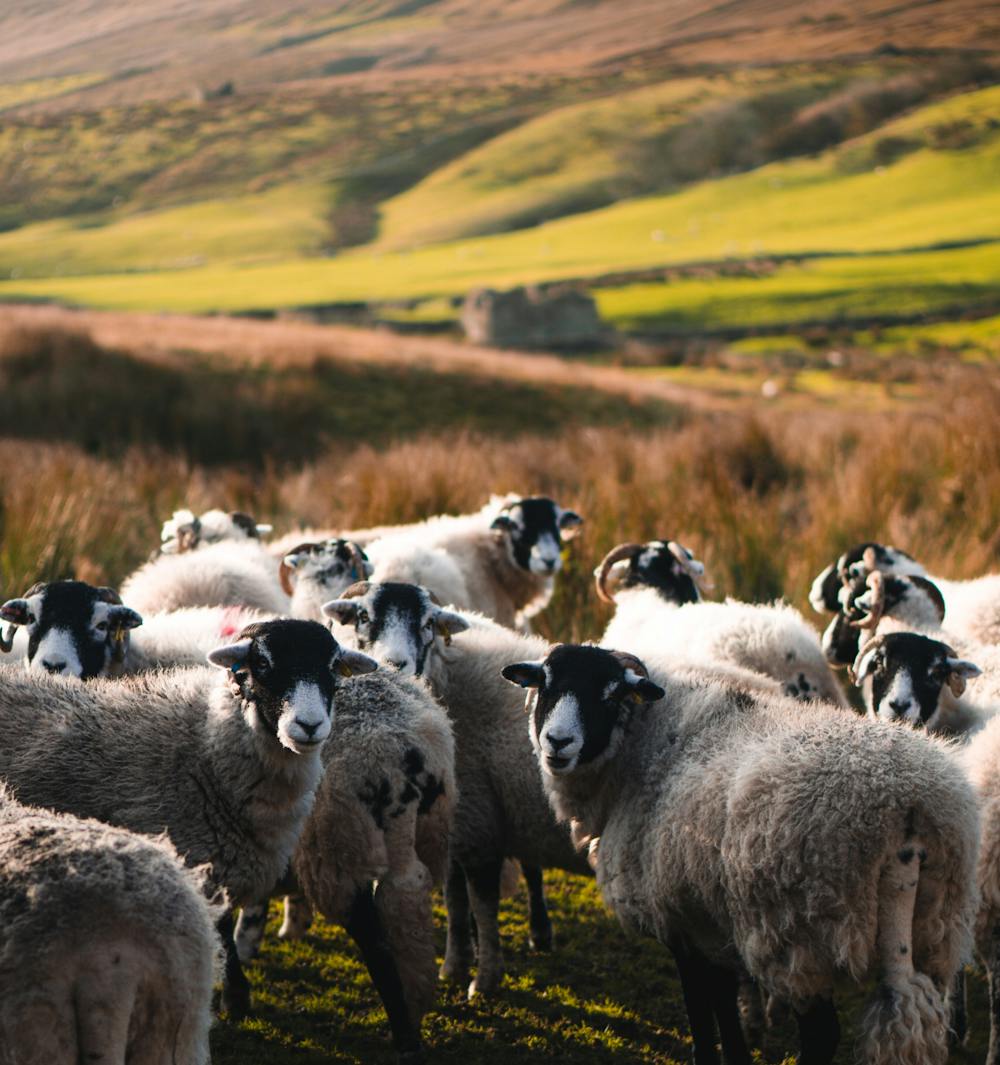
Our 250-acre upland farm in west Yorkshire is an average size for this part of England. In meadows and rough grazing land, we run around 60 head of suckler beef cattle and about 100 breeding ewes. The farm is run by my 68-year-old father, my younger brother and myself. They do the bulk of the work with the animals and I oversee administrative duties while studying for a PhD in rural entrepreneurship, focusing on the challenges farmers in the beef and sheep sector face and the types of business strategies they are using to respond.
At the farm we have been busy as always, making hay when the sun shines, shearing the sheep, calving and spending considerable amounts of time form-filling and complying with government red tape. We have been incredibly lucky to isolate ourselves in the stunning countryside during the COVID lockdowns. But like many farmers, we’re very worried about how Brexit is affecting our industry.
Goodbye, European subsidies
UK farmers are transitioning away from the EU common agricultural policy (CAP) as the UK’s basic payment scheme is phased out over the next seven years, affecting thousands of claiming farms. From 2022, some farmers will be able to apply for a pilot scheme for new grants known as environmental land management schemes (ELMs), which will then be introduced properly in 2024. It’s not clear how comparable the money will be.
Despite the long phase-out period, the transition is seriously affecting farmers already. Though it varies with farm size, farmers will receive roughly 10% less from the current scheme in 2021 than the year before, and almost half of basic-scheme payments will be gone by 2024.
This is frightening when you realise that EU subsidies can comprise up to 90% of farmers’ annual business income. Our farm relies on subsidies for around 75% of our income, with the rest coming from selling livestock and property letting.
Upland farmers in 2020 received an average annual income of just £22,800 – nearly £10,000 below what the median earnings in the UK. Some farmers such as those in dairy or poultry can earn three or four times more, but everyone will be worried about the future.
Environmental schemes
The ELMs will reward farmers for being environmentally sustainable with their land, through sustainable farming and helping with the recovery of local wildlife and natural landscapes. The English environment secretary, George Eustice, recently told the industry: “Let’s not cling to the railings of the sinking ship that is the CAP”. But what is coming instead?
At our farm, we receive payments under various existing agricultural environmental schemes to encourage biodiversity. We are paid to create ponds and nesting areas for wildlife, for example, and for cutting our grass later in the year for haymaking.
If the ELMs are anything like these schemes, it is hard to be optimistic. They have provided us with income for land from which it would otherwise be difficult to profit, but not without problems. For instance, an issue with our satellite mapping dating back ten years led to a deduction of £8,000 from our payment one year, which was already delayed by eight months. As Jeremy Clarkson recently said, the UK government is “unnecessarily bureaucratic” with farmers.
Having seen the stress of such situations first-hand, not to mention the cuts to subsidies and isolation in farming, I don’t find it surprising many farmers suffer from mental health issues. A recent survey of 450 farmers under the age of 40 found that 88% viewed mental health as the biggest challenge facing farmers – something that is coming up in my research too. Other research has confirmed high stress and suicide rates.

COVID, in my view, amplified these difficulties. During lockdown, when many people visited rural areas for their daily permitted walk, farmers grew worried that the disease could spread to their communities. This makes sense when you reflect that the average age of a farmer is 59, and an estimated 90% of farms are owned and occupied by a single person.
The poor broadband on many farms also made lockdown harder. When rural social events like Open Farm Sunday went online, many farmers couldn’t take part, which exacerbated their isolation.
The need for entrants
Our farm has largely only survived in recent years because the current system favours us. The basic payments scheme has benefited farmers like ourselves who own land, and our farm has fit well with the existing environmental schemes – and hopefully will continue to do so under the ELMs. It also helps that the farm had few liabilities when my father inherited it.
But for many other farming enterprises, the transition to ELMs may see them fail. Many farmers are trying to prepare by diversifying into everything from tourism to wind energy. Others are turning to careers elsewhere. I’m actually one of them, aiming to move into shaping agricultural policy after completing my doctoral research.
The government is going to offer struggling farmers a “lump-sum” exit scheme. Some may take it up, but it will depend on how much they are offered.
A decent offer is nothing less than they deserve, and might also free up the land so that new entrants with entrepreneurial ambitions can try their hand. A new generation of younger farmers might be able to make more money through direct selling via a shop and creating brands around their farm products – particularly if broadband connectivity were improved so that they could build online businesses.
But given the enormous financial challenges, the mental health difficulties farmers face and other tough issues such as flooding, it’s difficult to know if new entrants will come. All in all, the future of UK farming is more uncertain than I have ever seen it.

Peter Gittins does not work for, consult, own shares in or receive funding from any company or organization that would benefit from this article, and has disclosed no relevant affiliations beyond their academic appointment.
: The Conversation – Articles (UK)
Have you tried: Diving with Sharks?