
How preventive healthcare could save the NHS – lessons from Finland, Japan and Singapore:
If it’s true that an ounce of prevention is worth a pound of cure, preventive healthcare might really save the embattled NHS – now celebrating its 75th anniversary.
By promoting healthy lifestyles, early disease detection and timely treatment, the NHS could reduce chronic diseases such as type 2 diabetes, heart disease and cancer. And reducing the number of people with these chronic conditions would lead to a significant decrease in healthcare spending – which has been steadily rising in real terms since the NHS was founded.
The decision to follow this path wouldn’t seem so difficult if it weren’t for the small problem of figuring out how to do it and to what extent.
How?
Starting with the how, there are a few countries to look to for “best practice”. Finland, Japan and Singapore, for example, have implemented preventive programmes that focus on promoting healthy lifestyles, early disease detection through national screening programmes and disease management while paying attention to health education and public health campaigns.
Finland, meanwhile, has one of the lowest rates of cardiovascular disease in Europe, which has been attributed to the country’s comprehensive preventive healthcare initiatives.
The number of smokers among Finnish adults has decreased significantly over the past few decades, thanks to government policies that discourage smoking. Under the Tobacco Act (2010) Finland aims to be tobacco and nicotine-free by 2030.
Finland was the first country to set such a goal in its national legislation.
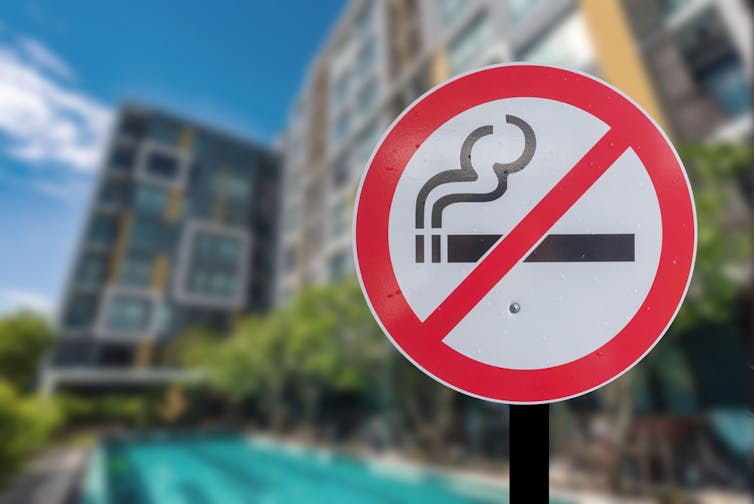
Singapore has been as successful as the Finns at getting the public to quit smoking. It also has one of the lowest death rates from cardiovascular diseases in the world.
And Japan has one of the highest life expectancies in the world and one of the lowest rates of people with metabolic syndrome (a group of risk factors for diabetes and heart disease) because of the country’s focus on healthy lifestyles.
The Health Japan 21 strategy, for instance, provides a nationwide framework to improve population health through interventions in workplaces, schools and local communities, focusing on diets, physical activity, smoking cessation and reducing alcohol consumption.
How much?
If the “how” sounds clear, the “how much” (to what extent and to what budget) is a little less clear. In the three countries mentioned, there have been very few studies on the economic impact of their preventive healthcare programmes.
In Finland, there is good evidence of the effectiveness of the Tobacco Act and cancer screening programmes on health, but the impact on healthcare expenditure is unclear.
To mark the 75th anniversary of the launch of the NHS, we’ve commissioned a series of articles addressing the biggest challenges the service now faces. We want to understand not only what needs to change, but the knock-on effects on other parts of this extraordinarily complex health system.
In Singapore, the government frequently holds question-and-answer sessions on the costs of preventive healthcare and the impact of these programmes. While the evidence is stronger on the first question, not much is known about the effect of preventive health interventions on overall population health.
In Japan, a 2018 study found that a check-up programme on diabetes prevented many people from starting dialysis treatment and reduced their healthcare use. According to this study, the healthcare spending of the participants in the programme was reduced by 20% between 2014 and 2015. But it is not known whether the study included the cost of targeted programmes when calculating the change in healthcare costs.
Measure, measure, measure
Maybe there’s something more the UK can learn from Japan, Finland and Singapore: if you’re going to invest in prevention, you need comprehensive measures of their effectiveness and efficiency.
So what should the UK measure? Assuming the goal of such a programme is to help people feel better while reducing NHS costs, the following would be useful things to track.
-
Key preventive measures (such as data on vaccinations, screenings and preventive treatments) and risk factors (such as lifestyle choices, family history of diseases and demographics).
-
Information about health education and relevant health indicators to identify areas for improvement.
-
Outcomes, effects (such as disease incidence, hospital admission rates and overall population health improvements), costs and resource use.
-
Trends and predictions to forecast future healthcare needs. Identify emerging health risks and plan preventive interventions.
And, most importantly, this information should be collected at the patient level to better measure the effects and to understand engagement with the programmes. Because an ounce of prevention is worth a pound of cure only if it’s true for each of us.

Francesca Lecci ne travaille pas, ne conseille pas, ne possède pas de parts, ne reçoit pas de fonds d'une organisation qui pourrait tirer profit de cet article, et n'a déclaré aucune autre affiliation que son organisme de recherche.
: The Conversation – Articles (UK)
Have you tried: Travelling to South Africa?