
How plants can change your state of mind:

Plants look so different from animals, that it’s easy for many people to think of them as alien and separate from us. Most people appreciate how pretty flowers and trees look and know photosynthesis is essential to life. But our mental and physical connection to plantlife runs deeper than you might expect.
The scientific evidence that plants play a fundamental role in shaping our mental state and decreasing the risk of mental and physical illnesses is mounting.
They can reduce depression, anxiety and mood disorder symptoms in humans by reducing levels of the stress hormone cortisol which can lower heart rate and promote a feelgood state of mind.
Several studies have shown horticulture therapy may help some people manage their PTSD symptoms and improve their quality of life once more.
They can even increase your creativity through stimulating the brain with their vibrant, natural colours.
Many people think of plants as nice-looking greens. Essential for clean air, yes, but simple organisms. A step change in research is shaking up the way scientists think about plants: they are far more complex and more like us than you might imagine. This blossoming field of science is too delightful to do it justice in one or two stories.
This article is part of a series, Plant Curious, exploring scientific studies that challenges the way you view plantlife.
A growing sense of wellbeing
Even the little potplant on your desk may have a more potent effect on you than you might realise. The houseplants you bought to brighten up your home or workplace may actually be helping you to think more clearly. Studies have shown that surrounding yourself by plants could improve your concentration by up to 20% and increase your ability to recall information by 15-20%. Plants do this by reducing CO? concentration and improving air quality.
According to UK Health and Safety Executive (HSE) guidelines, CO? concentration should not exceed 1,000 parts per million (ppm) in offices, as at this level it can causes headaches, fatigue and dizziness.
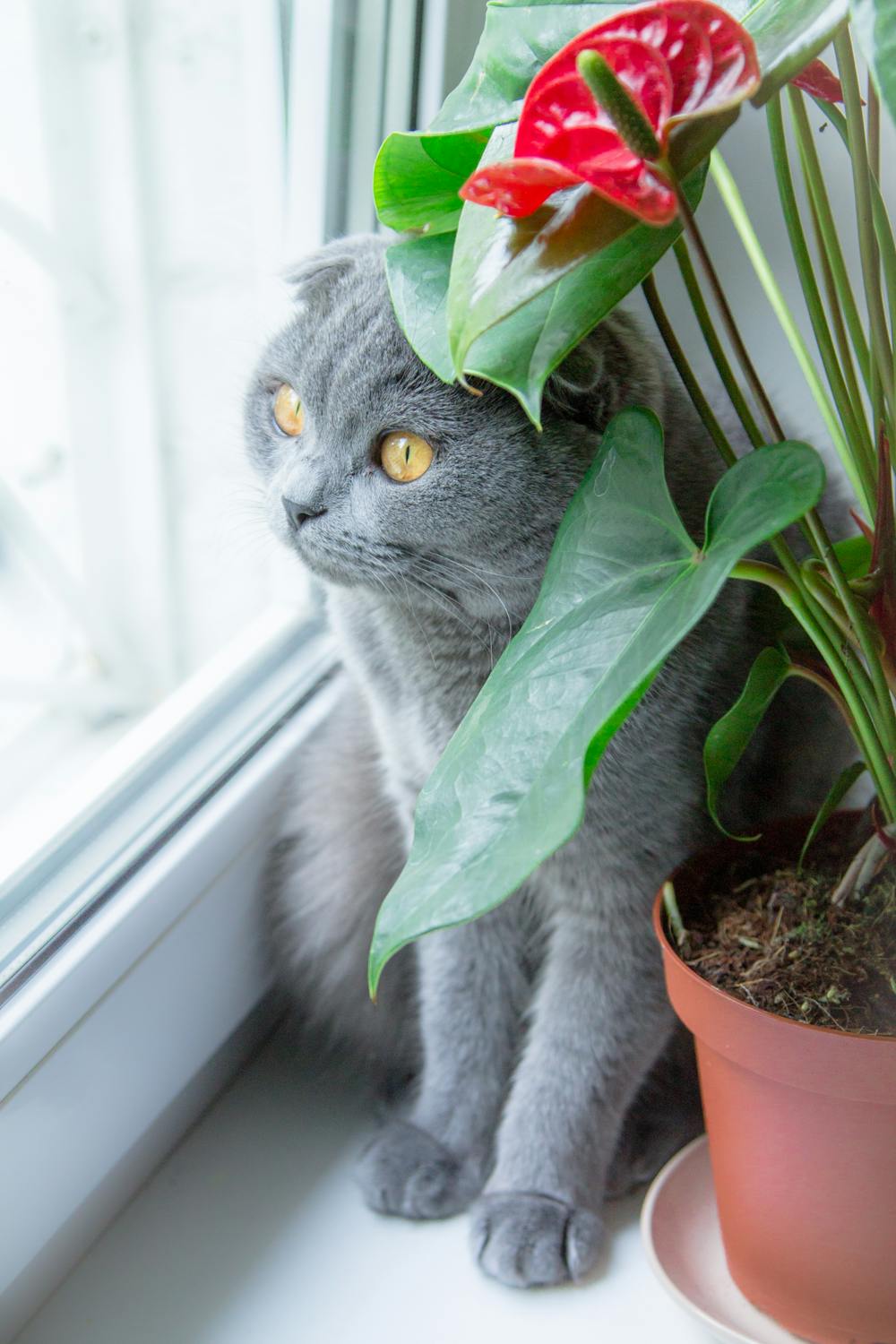
It can also lead to poorer decision-making. Research has shown that in some cases house plants can decrease carbon dioxide concentration from 2,000ppm to about 480ppm in less than one hour indoors. Popular house plants that efficiently remove carbon dioxide include the blue star fern (Phlebodium aureum), weeping figs (Ficus benjamina), spider plants (Chlorophytum comosum) and Anthurium species (such as the flamingo flower).
Some plants, of course, can also alter our body chemistry – just think of the many species used as medicinal or recreational drugs. It is ironic that some people think of plants as little more than nice-looking greens when humans have been using them to explore different states of consciousness, relieve pain and to relax for tens of thousands of years.
Horti-culture
Plants have been central to human society from our very beginning, but the way we use and connect with plants has changed over generations and throughout civilisations. From being reliant on plants for food and medicine during the palaeolithic era (up to 11,000 years ago), modern society has in many ways lost its appreciation and awareness of plants.
The World Bank has estimated that by the year 2050, seven out of ten people will be living in cities and access to plants in their natural environment will become more challenging. We have become more disconnected from nature. But despite all the options for comfort and leisure 21st century technology offers us, we can’t quite seem to stay away.

Humans have “biophilia”, which means we are wired to seek connection with nature and plants. Plants increase happiness hormones such as endorphin in humans. They are not only intertwined with the fate of the human species but deeply rooted in who we are as individuals. The shape, colour, smell, feel and taste of plants can uplift us when we interact with them in the moment and blossom in our memories.
From the velvety feel of flower petals against your fingertips, to the delicious scent of essential oils they release to attract pollinators, to the irresistibly mellow taste of chocolate, plants have been tantalising our senses throughout human history.

We all have different memories and experiences that make us connect with plants. For example, the plant that makes me most happy and invokes in me a deep feeling of love is Crocus sativus, as I named my first daughter after it (Saffron).
During the COVID pandemic plant sales in Britain increased by over 30%, as people rediscovered the importance of plants for their mental wellbeing. In 2021 the UK spent over £7.6 billion on plants, which is £1-2 billion higher compared to the two previous years.
Plants aren’t are a luxury. They are part of who we are. It is not surprising to find that the word “plant” translates in many native languages to “those who take care of us”.

Sven Batke does not work for, consult, own shares in or receive funding from any company or organisation that would benefit from this article, and has disclosed no relevant affiliations beyond their academic appointment.
: The Conversation – Articles (UK)
Have you tried: Travelling to South Africa?