
From bush fires to terrorism: how communities become resilient:
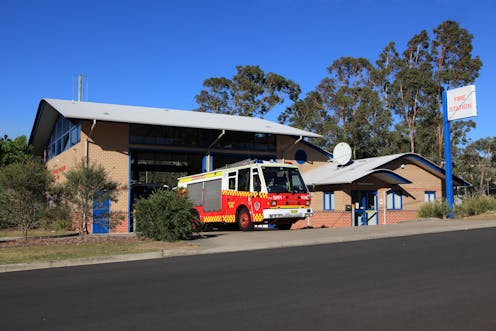
The world has watched in sympathy as Australia has come to terms with the ravages of the worst bush fires on record. Communities have been devastated by this crisis, but many have shown incredible resilience in banding together to support one another through the harrowing experience. In New South Wales alone, for example, there are more than 70,000 unpaid rural fire service volunteers. And thousands of Australian citizens have rallied, demanding political, social and environmental change.
Challenges to communities come in many guises – social, political, economic, climatic, technological and cultural. In the UK communities up and down the country in recent years have faced extreme weather, severe flooding, terrorist attacks, austerity and an uncertain political climate. All these events have been significant for those involved. But each has provided the chance for communities to come together.
Community resilience promotes self-reliance and places the managing of risk in the hands of communities, empowering people to have more control over their lives. However, this can risk reducing the state’s responsibility and accountability to communities, as seen recently in Australian prime minister Scott Morrison’s calls for resilience, rather than tackling the causes of climate change.
Our study, which looks at ways of building community resilience in response to extreme events, held interactive workshops with communities, academics, local organisations, emergency services and local and national government to examine their understanding of resilience and their ideas for ways of developing it in communities.
Extreme events and resilient people
Participants identified things like bad weather, accidents, terror attacks, shortages of power, heat and water, political events and job losses as serious challenges to communities. The group agreed that the top two are major weather events and political developments that affect everyone. It is important to understand though, that for a community to be truly resilient, it needs to be able to able to deal with a wide range of events, whether they are commonplace or rare.
Then our group identified seven main components essential to developing and sustaining a resilient community. These were:
1. Experience and shared memory: shared values and an awareness of who holds the power (and where power is held) are vital. Understanding what matters to people and their attachment to particular places is key, making communal spaces and symbols of community of particular importance.
2. Leadership, engagement and shared responsibility: recognising and promoting leadership at all levels is crucial, but collaboration and community-led response is also required. If government organisations take over, there is a risk that communities are left out of decision-making that affects them.
3. Social ties and wider connections: the things that link people together, such as common interests, cultural experiences, education, home, school, sport, family, friends, work, language and shared spaces are all central elements of communities. At the root it is about getting to know people and finding ways of creating a collective consciousness.
4. Mindset, collective thinking, openness to adapt and cultural change: creating opportunities for everyone to speak and be listened to is paramount. As is a readiness to adapt to improve the way a community reacts to challenges. This means embracing new ideas and technologies. Sometimes these changes can be difficult for some so help may be needed.
5. Integration, inclusivity, equity and diversity: once defined as people living together in a similar area, community has shifted to much wider definitions thanks to the advent of social media and the internet. This offers positives in terms of bringing new and more diverse communities together, and negatives such as the potential loss of cultural heritage. Resilient communities need to value identity and difference.
6. Communications, social support and co-ordination: sharing information openly creates trust. While many are used to communicating online, it can alienate those unfamiliar with technology. Communities should also be trusted to form themselves naturally, although they may need some oversight from more experienced figures who can help them work out what is needed in terms of support.
7. Training and identifying local needs: often people struggle to identify who has the relevant local knowledge and who is best placed to take action when it comes to an emergency situation. It is essential to use past events to develop training that allows communities to act on their own strengths and weaknesses.
Looking ahead
Communities also need to be committed to working towards common goals with the local authorities. To that end our research report made four key recommendations for building strong, resourceful communities: they must have good communal spaces; building and sharing local knowledge should an ongoing priority; everyone should be heard and given a chance to collaborate; and good, open communication must be at the root of everything.
As we have seen in the extraordinary responses of rural communities in Australia, people that are invested in one another are able to demonstrate real resilience and respond to terrible events in admirable ways. Witnessing this can uplift and inspire people to support one another and nurture connections with their neighbours. So that the next time something extreme happens, they are much more able to cope and respond in service to their community.

Tony Robertson received funding from the National Centre for Resilience for the research related to this article.
Sandra Engstrom received funding from the National Centre for Resilience for the research project discussed in this article.
: The Conversation – Articles (UK)
Have you tried: Farking?