
Many workplaces handle chemicals, dust, or sharp debris. These hazards put strain on workers. A small splash or tiny particle can create pain and stress. When something like that happens, speed matters. Quick rinsing often makes the difference between a short irritation and a bigger problem. This is why safety managers take eye care so seriously.
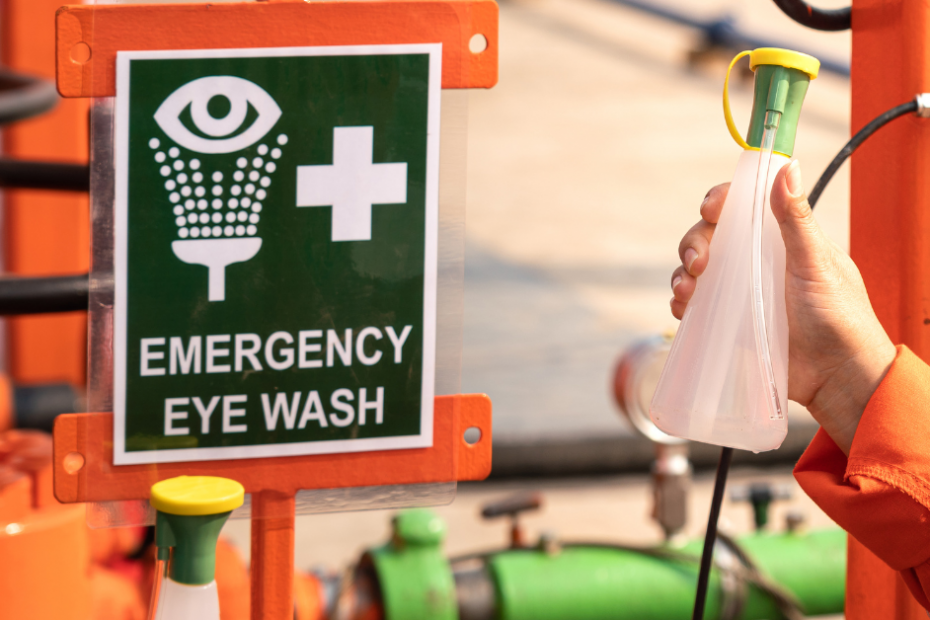
One simple tool helps with quick rinsing. Many people know it, yet they only think about it when something goes wrong. That tool is the eye wash station. Some sites use more than one. Large factories, workshops, and storage yards often place several units around key areas.
These units support workers during sudden accidents. A splash from a cleaning mix, fumes drifting into a room, or dust blowing across a workspace can happen with no warning. When that happens, a person needs a fast rinse point nearby. Walking long distances with irritated eyes makes the situation worse, so close placement helps a lot.
How Workers Use Rinse Units in Real Situations
Think of a painter using solvent. A small drip flicks into the air. It lands near the cheek, then spreads toward the eye. The painter feels a burn. The closest sink is far away. Vision starts to blur. A rinse point on the same floor helps the painter flush right away. A minute or two of rinsing often calms the burn. The painter regains control and can seek further help if needed.
Another real example comes from a welding shop. Metal dust floats in the air after grinding work. A worker removes gloves to rest for a moment. A tiny metal speck drifts into the eye. A rinse unit nearby gives fast relief. A steady stream of clean water carries the speck out. Delayed rinsing would allow the speck to scratch the surface of the eye. Quick rinsing helps prevent that.
These stories show how normal tasks can turn risky without warning. Workers feel safer when rinse points are close. A simple wash helps them stay calm during tense moments.
How Workplaces Choose the Right Rinse Setup
Some sites use wall mounted units. Some use portable ones. Others mix both. The choice depends on the tasks around the area.
Busy workshops often use fixed units with strong water flow. These units stay in the same place for years. Safety teams train workers to walk straight to them when needed.
Smaller teams sometimes use portable units. These work well for outdoor sites. A portable unit follows a team wherever they move. This helps in places with no plumbing.
Teams that handle chemicals often need bigger units with longer flow times. Workers can rinse for a longer period without running out of water. Long rinsing helps wash away stubborn substances.
Why the Placement of Rinse Units Matters
Placing a rinse point far from busy areas reduces its value. Workers must reach it with eyes partly closed. Long paths slow everything down. When a unit sits close to workstations, people feel safe. They know help is within reach.
Some sites put units near entrances or exits. This helps new staff spot them right away. Visitors and contractors find them easily too. Clear sight lines help. Bright markings around the unit add even more clarity.
Teams often hold short safety sessions to remind everyone where the units are. Even a short talk helps workers stay aware. During an accident, panic fades faster when the route feels familiar.
How Rinse Units Help with Dust, Fumes, and Debris
People often think these units only help with chemical splashes. They help with other hazards too. Dust, wood chips, cement particles, and small insect fragments can irritate eyes in a surprising way. A quick rinse helps flush out these irritants.
Fumes from cleaning products or paint can drift into the eyes. These fumes create a sharp sting. Rinsing helps wash away the film that forms on the eye surface. Workers often say the sting drops quickly after running water over the eye for a short time.
Outdoor teams face windblown sand or soil. These particles create scratching sensations that grow worse if ignored. A rinse unit nearby helps workers clear their eyes fast so they can finish the job safely.
How Safety Managers Keep the Units Ready
Units need simple checks. Water flow must stay steady. Caps and covers must stay clean. Workers should never find dust inside the bowl. Many teams assign one person to check the units weekly. This habit keeps the system dependable.
Training plays a role too. Workers need to know how long to rinse. They need to practice opening the unit without delay. Some units use a simple pull bar. Others use a twist knob. These small details matter during a real accident.
Why Workplaces Use More than One Rinse Point
Large sites often spread units across the floor. One unit near a workshop, another near a paint room, and another near a storage area help reduce long walks. Workers move through the site with confidence, knowing that quick help sits close.
Outdoor sites might position portable units near temporary work zones. When teams move, the units move with them. This helps keep safety consistent across all job areas.
When Workers Deal with Serious Irritation
Sometimes a minor splash leads to swelling or redness that does not settle right away. A rinse unit gives early relief. Workers then seek further help if the irritation continues. Early rinsing often limits the damage and helps recovery.
Some chemicals leave a film on the eye. Long rinsing with clean water helps break this film down. Workers often feel clearer vision after a slow, steady flush.
The Role of Rinse Units in Training New Staff
New staff often feel nervous in the first week. Tools, noise, and fast work patterns feel intense. Quick tours around the site help them learn safe routes. Seeing a rinse point during this tour calms some of their worries. It shows that the site values worker safety.
By placing units near busy missions, site leaders send a strong message. Safety matters in every part of the workday. Small steps like clear markings, steady water flow, and easy access help new staff build trust in the environment.
Why Having More Than One Option Helps Teams
Some teams want large fixed units. Others want portable units. Many choose both. This mix helps with indoor and outdoor work. It supports staff during different seasons and different tasks.
Testing a unit ahead of time helps workers feel prepared. Short practice sessions help them act fast during real emergencies.
Final Section
Workplaces feel safer when rinse points stay close to busy areas. A simple wash can calm stress during sudden eye irritation. Many teams use more than one unit to support staff across different work zones. By keeping the units clean, easy to reach, and simple to use, workplaces create a safer routine for everyone. Anyone who handles dust, debris, fumes, or liquids benefits from fast access to eye wash stations, and a single eye wash station often brings quick relief during unexpected moments.
Images:
CLICK HERE to submit your press release to MyPR.co.za.
Links:
Boilerplate and Editor’s Notes:
More Info on Eye Safety Basics for Workplaces here: https://topclickblogs.co.za/eye-safety-basics-for-workplaces/
X: https://twitter.com/topclickmediasa
LinkedIn: https://www.linkedin.com/company/top-click-media-pty-ltd/
Facebook: https://www.facebook.com/topclickmediaSA/
Submit your Press Release for free to MyPR here: MyPR Free Press Release Submission.