
Domestic abuse and mental health remain taboo subjects for many Sikhs – with deadly consequences:
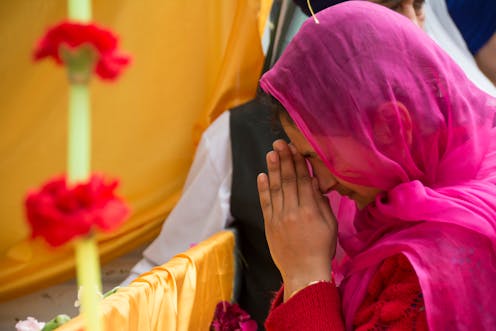
The suicide of Mandeep Kaur caught the attention of people around the world. Kaur, a woman of Sikh heritage from Utter Pradesh in northern India and living in the US, posted a video on social media that later went viral, in which she claimed to have been abused by her husband for years (he denies the allegations).
However the outpouring of online sympathy for this woman belies how the issues of domestic violence and abuse and mental health are perceived in Sikh communities, notably in the diaspora. As our literature review in the UK has highlighted, there is a great deal of shame attached to women of Sikh heritage experiencing domestic abuse and subsequent mental health problems.
As a result, these issues are rarely properly acknowledged as even being a Sikh healthcare issue and the women affected very often don’t get the help they need. This was particularly the case during the pandemic. You can even see this is in the way such incidents of domestic abuse that do receive publicity are often categorised informally as relating to broader groups such as Punjabis or even South Asians in general rather than Sikhs specifically.
Research has long identified that suicide among women of Sikh heritage in the UK is connected to the particular problem of domestic abuse and violence. There are also other cultural factors that have been linked to this deeply entrenched issue.
These include the financial demands placed on newlywed women through the practice of paying a dowry and persistent patriarchal attitudes that lead to tolerance of abuse and violence by parents of men. Unfulfilling expectations from marriage and lack of understanding and support from the household and community can also be problems.
Cultural barriers
At the same time, Sikhs often face cultural barriers to accessing mental health services. Research has shown some Sikhs may perceive themselves as warriors who should be able to overcome and psychological distress by themselves, not as sufferers of mental ill health.
Sikhs living in western countries may also feel medical services don’t understand their culture. And they can fear that reporting domestic abuse could be followed by breaches in confidentiality that would expose their issues to the rest of the community.
Discussing mental health issues publicly is often considered to bring behzti (dishonour) to the family. Research shows that first generation immigrants and older generations demonstrate a particular lack of understanding of their children’s mental health needs in this respect.

One solution to this problem might be for mental health services to recruit more Sikh staff who have the cultural knowledge to deal with the community-specific issues, particularly those created by stigma. Medical providers can also work with local temples to reach out and offer such services.
But we shouldn’t assume that every Sikh woman wants a Sikh therapist, or even a South Asian therapist. In fact, fear of exposure might actually mean Sikh women would rather speak to someone outside of their tight-knit community. What is essential is that women are given the choice, can speak to therapists in their own language and are reassured that services are confidential.
Such solutions can only go so far, however. Only by recognising that there is an issue with domestic abuse and subsequent mental health issues that needs to be addressed can the Sikh community work closer with healthcare providers to prevent women becoming victims again
Religious places should be a key point of support for Sikh women, and there are now religious Sikh organisations working to ensure women stay safe in these spaces. If temples and accredited psychological providers working together in an environment free of shame and denial can become the norm, then women of Sikh heritage are more likely to receive the support they need earlier. And perhaps cases like that of Mandeep Kaur will become less common.

Harjinder Kaur-Aujla is affiliated with UCU Union as Branch President. Co-founder of Shabd, UK. She would like to express gratitude to: Dr Christopher Wagstaff and Dr Tarsem Cooner (University of Birmingham) for overall academic mentorship. Members from Sikh Academic and Researcher Network, (SARN) for empowering and self-less service; Sikh Scientists for religious insights and external mentorship; Professor Farzana Shain and Dr Kate Lillie initial formulation and PhD advice; Stephen Harris (The Conversation) for his patience and editing advice.
Christopher Wagstaff and Kate Lillie do not work for, consult, own shares in or receive funding from any company or organisation that would benefit from this article, and have disclosed no relevant affiliations beyond their academic appointment.
: The Conversation – Articles (UK)
Have you tried: Farking?