
COVID vaccines will be here soon – in the meantime, here’s how to stay resilient:

With several COVID vaccines closing in on regulatory approval, we can start to imagine a future after this pandemic. But health experts have warned people not to get too excited. The World Health Organization predicts that Europe will face at least six more difficult months, and it is clear that there is still a long road ahead.
So while there are good reasons to be hopeful about the future, it is also clear that more resilience is called for, especially as pandemic fatigue sets in.
Resilience is the ability to cope with the normal stress of life as well as being able to bounce back from crises. It’s an important tool to help us deal with COVID and its implications.
Resilience research is well-established and spans around five decades, with studies ranging from understanding how people deal with ordinary adversities to the impact of traumatic events. Studies suggest that resilience can support our wellbeing. It can also help us deal with stress, burnout and emotional fatigue.
On the whole, it seems that many people have found ways to cope with COVID and the control measures designed to minimise its impact. For example, a recent survey found that 64% of people in the UK were managing their stress in the face of the pandemic.
Resilience can be seen as a set of skills that supports our ability to deal with difficult situations. This is the approach taken by the Penn Resilience Program, from the University of Pennsylvania, which is based on a set of validated skills: self-awareness, self-regulation, optimism, mental agility, self-efficacy and connection.
Self-awareness is the ability to hit the pause button and notice what is going on for us – our feelings, thoughts and behaviour. But noticing is not enough. What do we do when we notice things that aren’t helpful?
That is where self-regulation comes in. This is when we are able to change the course of our reactions and exert control over what happens next for us, in terms of our thoughts, emotions and reactions.
Optimism, which can affect our wellbeing, is when we believe that positive things will happen in the future.
Mental agility is the ability to see the same event from different perspectives.
Once we add the recognition of our talents and strengths, in other words, our sense of self-efficacy, our levels of resilience can be higher.
Finally, being part of a support network, people who “have our back”, also helps us keep going.
Five tips
Think of a bouncing ball. The amount of bounce decreases every time the ball hits the ground. This is the same with resilience. After experiencing adversity for an extended period, particularly if it causes us chronic stress, your internal resources can get depleted. Here are five coping strategies that can replenish those reserves and boost your resilience to see you through the final phases of this pandemic.
1. Be kinder to yourself. Self-compassion will boost your wellbeing and therefore your resilience. For example, rather than reprimanding yourself for procrastinating, you could understand the reluctance to start a new task as a sign that you need a break. In the current circumstances, be more flexible and forgiving to yourselves and others.
2. Focus on what has worked. Now that you can see a possible way out of this pandemic, you can focus on what has worked well for you in the past. Rather than worrying about your ability to sustain yourself for another six months, you could acknowledge that you have made it through eight months already. Appreciating yourself and others can boost your ability to be resilient.
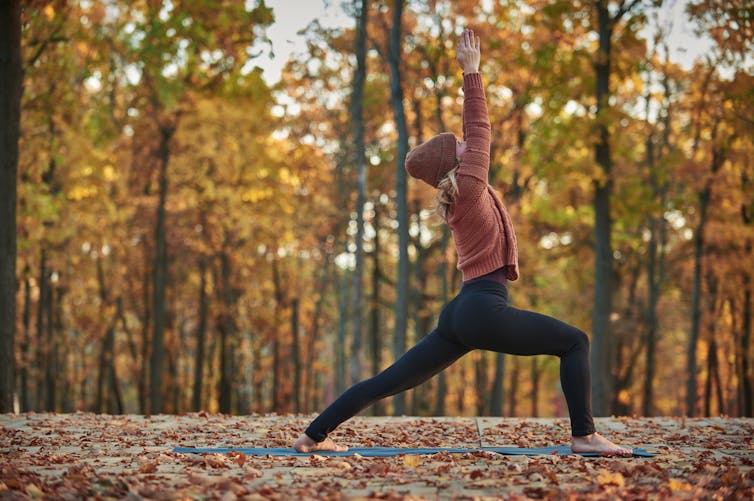
3. Look after your physical health. If it’s possible for you to undertake regular exercise, that will be of benefit psychologically, too. The effect is heightened if you can do your exercise (walking or running, for example) in nature. Take care of what you eat and drink, and avoid excess – especially when it comes to alcohol.
4. Maintain relationships. Having supportive relationships is important for resilience. Stay connected to family and friends, even if only online.
5. Find time to relax. Facing constant challenge is tiring. One way to rebuild your resilience is by allowing yourself time to relax and do something you enjoy. For example, dedicate time for reading, watching TV or playing video games. Half an hour a day of downtime can make a big difference to your wellbeing and your resilience.

The authors do not work for, consult, own shares in or receive funding from any company or organisation that would benefit from this article, and have disclosed no relevant affiliations beyond their academic appointment.
: The Conversation – Articles (UK)
Have you tried: Visiting Port Elizabeth?