
COVID deepened inequalities in HIV treatment: what we learnt in Nigeria:
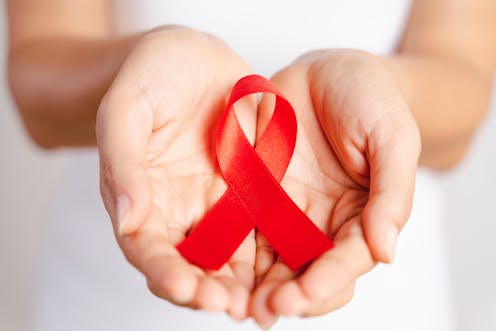
The 2022 World AIDS Day theme is Equalize. The reason for this focus is that HIV reflects economic and social inequity. People with low socio-economic status are worst affected by the epidemic. Also, the worst impacts of the HIV epidemic are found in the least developed countries and the most impoverished neighbourhoods.
In West Africa, the proportion of people living on less than $ 1.90 a day jumped from 2.3% in 2020 to 2.9% in 2021 and more than 25 million across the region are struggling to meet their basic food needs.
Nigeria has the third highest burden of HIV in the world. As of 2021, 1.9 million people in Nigeria were infected with HIV. About 90% of them were receiving antiretroviral therapy.
The country seems to be moving successfully towards the 95-95-95 target for ending AIDS by 2030. This means 95% of people living with HIV knowing their HIV status; 95% of people who know their status on treatment; and 95% of people on treatment with suppressed viral loads. The target was launched by UNAIDS in November 2014.
But COVID-19 has threatened the progress that’s been made so far.
We explored this in two studies. One was about access to health services in Nigeria for women and girls living with HIV during the pandemic. It sought to know how easily they could access HIV, tuberculosis, sexual and reproductive health services. The second was about food insecurity, financial vulnerability and housing insecurity among women and girls living with – or at risk of – HIV in Nigeria. It set out to assess the impact of the COVID-19 pandemic on those likely to be worst affected by the multiple epidemics: vulnerable and stigmatised women.
Both pieces of research show that the COVID-19 pandemic disrupted access to essential health services.
Poor access to HIV services during COVID-19
For the first research, we recruited 2,076 adolescent girls and women living with HIV in different parts of Nigeria. We then assessed their ease of access to HIV, tuberculosis, sexual and reproductive health services during the pandemic.
We found that over 6 in 10 women and girls living with HIV had limited access to HIV services during the COVID-19 pandemic. Almost 2 in 10 had limited access to TB services. And almost 4 in 10 had limited access to sexual and reproductive health services.
Our study showed that because of the closure of HIV services and sexual and reproductive health service points during the pandemic, pre-existing financial and non-financial barriers to accessing services increased significantly. Having no money, having to pay additional unofficial fees and the lack of security on the road to the health facility were the barriers with the greatest impact on access to health services.
Transgender women, women who engaged in sex work and women who injected or used illegal drugs were severely affected.
Our findings suggest that some vulnerable populations may have fallen through the cracks despite efforts to improve access to HIV services during the pandemic in Nigeria.
COVID increases vulnerability of people living with HIV
Our second study sought to assess how the pandemic had further created differential food, financial and housing insecurity among vulnerable and stigmatised women in Nigeria.
Women and girls with disability, transgender women, sex workers, persons engaged in transactional sex, substance users and people on the move are all vulnerable. We found that a significantly high proportion of the study population had to deal with food insecurity (76.1%), financial vulnerability (83.6%) and housing insecurity (36.2%). Some women were particularly badly affected by the pandemic: women and girls who transacted sex were more than four times as likely to face housing insecurity and more than twice as likely to face food insecurity and financial vulnerability compared with other vulnerable women and girls who did not transact sex.
This suggests the need to monitor and plan better to avert negative impacts and increased HIV infection.
The way out
The results of both studies suggest that people who are affected by inequity may be the worst affected by pandemics like COVID-19. Emergency preparedness needs to happen well ahead of emergencies. It should include mapping out which populations are most likely to need care.
For Nigeria, it’s critical to plan ahead so that people living with HIV – as well as others – can get essential life-saving services. The combined effect of the disruption of access to HIV services and other essential services may have had an overall negative impact on the HIV response in Nigeria.
Emergency preparedness efforts include improving the access of vulnerable women and girls to essential service access. This can be done through active engagement of civil society organisations working with the target populations worst affected by the pandemic. Also, HIV programming in Nigeria needs to include housing, economic and financial insecurity mitigation measures for women and girls living with HIV.

Morenike Oluwatoyin Folayan received funding from the Joint United Nations Programme on HIV/AIDS (UNAIDS) for this research.
: The Conversation – Articles (AFRICA)
Have you tried: Sailing in Africa ?