
Could an ‘invisible’ cell transplant treat diabetes?:
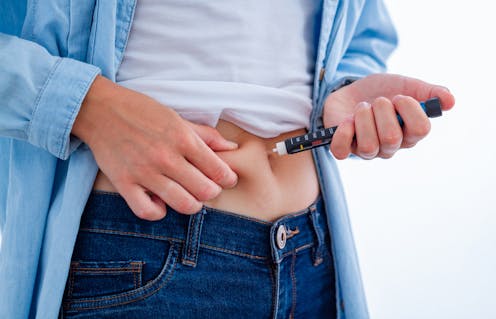
Type 1 diabetes used to be a death sentence. After a diagnosis, patients were put on a starvation diet. The lucky ones would have a year or two to live. But, thanks to the discovery of insulin in the early 1920s, this is no longer the case.
We need insulin to regulate our blood sugar. After a meal, insulin helps our cells to use the sugar in our food. We use this sugar as fuel for energy – without insulin, sugar has nowhere to go. It stays in the bloodstream, and over time, damages blood vessels.
People with type 1 diabetes inject themselves with insulin to control their blood sugar level. However, while the treatment is a lifesaver, it can’t prevent people from developing diabetic complications. These conditions can be life limiting, so what if there was a treatment that was better than insulin injections?
Well, there might be, and it involves transplanting cells.
Over 450 million people have diabetes, but less than 10% of these people have the kind known as type 1. In type 1 diabetes, the insulin-producing cells of the pancreas stop working. Scientists don’t know exactly how this happens, but the immune system seems to attack these cells by accident.
I work with researchers and surgeons at the universities of Strathclyde and Edinburgh who are replacing these faulty cells for a small group of people with severe type 1 diabetes. In a healthy person, around 1% of the pancreas cells produce insulin. Scientists are able to extract these insulin-producing cells from a donor pancreas and surgeons transplant them into a diabetic patient.
Major obstacles
A successful transplant would mean people with type 1 diabetes can start making their own insulin again. It sounds simple, but it doesn’t always work. Major obstacles are stopping this treatment from being more widely available.
As with transplanted organs, cells also face rejection. Cell transplant recipients have to take a cocktail of antirejection drugs. While these drugs make the immune system less likely to detect the transplanted cells, they also have serious side-effects.
Even successful cell transplants eventually fail. When the donor insulin-producing cells stop working, the patient’s diabetes comes back. Researchers still don’t know exactly why the transplant stops working. We think that despite the antirejection drugs, the patient’s immune system eventually detects that the cells are from a different body and attacks them.
It might even happen because of the drug treatment. Antirejection drugs can have a toxic effect on insulin-producing cells. Because of these risks, cell transplants are only available to a small group of patients who can’t control their blood sugar, even with insulin injections, and get hospitalised regularly.
Researchers are trying to get rid of the need for antirejection drugs. The cells can’t be rejected if they can’t be detected by the immune system. We think it could be possible to sneak the donor cells into patients’ bodies if they’re coated in a special material.
Invisible cells
Bioinvisible materials can be implanted in the body without being rejected by the immune system. We use a bioinvisible chemical called alginate, which is extracted from seaweed. In theory, cells encased in a bioinvisible material would evade detection by the immune cells that travel around our bodies, looking for invaders.
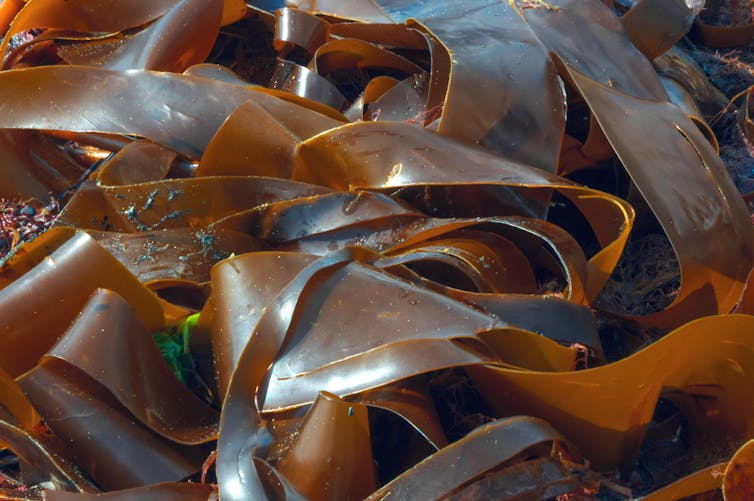
Cloaking the cells in bioinvisible alginate could stop the transplants from failing. In our lab, we have a machine that lets us trap clusters of insulin-producing cells in tiny alginate bubbles. The bubbles are around 200 micrometres wide – about the width of a human hair – and can hide over a thousand cells inside.
As well as being bioinvisible, alginate is porous. The pores are big enough to let insulin out and let oxygen and sugar in (the nutrients cells need to survive). But, more importantly, the pores are too small for immune cells to pass into the alginate bubbles and detect or damage the donor cells inside.
Transplanting cells cloaked in bioinvisible alginate has had promising results in animal trials and in small-scale human trials. However, making the bubbles is difficult to scale up. Hopefully, in the future, it could lead to cell transplants without antirejection drugs. Many more people with diabetes, especially young people, could then get a cell transplant. This would stop them from developing the health complications that come from having years of high blood sugar. Maybe one day young people could get a bioinvisible cell transplant to treat their diabetes as soon as they’re diagnosed.

Katrina Wesencraft receives funding from the EPSRC and MRC.
: The Conversation – Articles (UK)
Have you tried: Travelling to South Africa?