
Cost of living: why decreased access to swimming is harming children and young people:

Swimming is a unique activity. Not only is it an Olympic sport but it’s also a form of exercise and a life-saving endeavour. How many other physical activities can boast such a claim?
So, it is no surprise that swimming holds such appeal in the UK, where there is a diverse range of enthusiasts. We have Olympic champions, a world record holding nonagenarian, a new wave of cold water dippers, competitive swimmers and parent and toddler groups who all love the water. For children, swimming is both a sporting endeavour and a fun leisure activity that is frequently associated with hot summer holidays.
That’s what makes recent reports into the dire state of children’s swimming so concerning. Last summer, a BBC report found that between 2019 and 2022, one in six local authorities in the UK had seen at least one swimming pool close, on either a permanent or temporary basis. Swim England, the national governing body for swimming, has estimated that around 1 in 4 children leave primary school unable to swim 25 metres. That number is expected to rise to as many as 6 in 10 by 2025.
The situation is even more parlous in Wales. The chief executive of Swim Wales, Fergus Feaney, recently focused on some worrying statistics when he gave evidence to the Senedd’s local government committee, as part of its inquiry into council leisure services.
Of particular note was that the cost of swimming lessons had almost doubled from £6.50 before COVID to a current average of £12.50. He also revealed that only 50% of Welsh primary schools take part in swimming tuition programmes. Feaney left the enquiry with a concerning statement:
We’re going to have a situation very soon, dare I say it, that white middle class children will be able to swim and the rest won’t.
This raises questions about what the consequences of a decline in access to swimming for young people may be. Broadly speaking, there is the risk to life if children are unable to swim but also an impact on physical health, mental health, and life skills.
Drowning
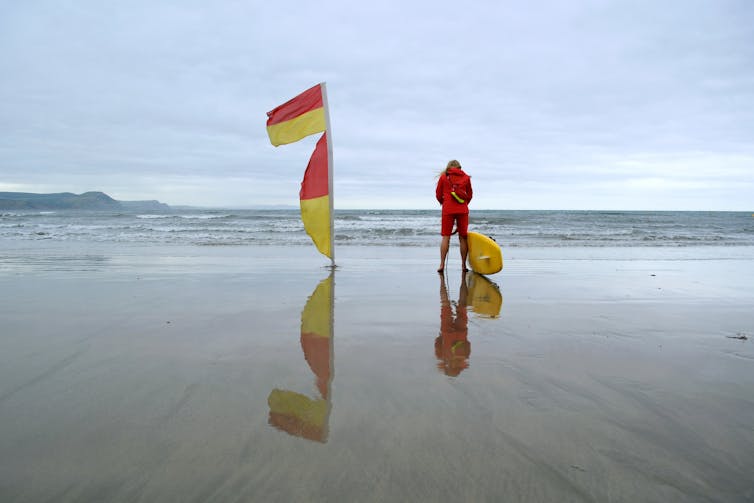
Almost 20% of the England’s population live in coastal areas. In Scotland, more than 40% of people live near the coast, while in Wales, it’s more than 60%.
Along with the rise in interest in open water swimming in lakes, rivers and the sea, these combined factors means there are safety concerns about the reduction in the number of children who are not competent in the water.
Many academic studies have highlighted that swimming lessons provide significant protection against drowning. Although, this may seem intuitive, children’s lives are at increased risk in our waters and abroad if the trend towards decreased access to swimming lessons continues.
It is now well known that physical activity has a positive impact on physical health and can protect against illness and poor health. Engagement in physical activity at a young age can have a significant impact on not only a child’s physical health but also on their health as they move into adolescence and adulthood.
An important issue raised by Swim Wales’ Feaney was the reduction in access for young people in deprived areas. These individuals are already at a high risk of obesity. So, removing access to swimming lessons takes away not just a fun activity but a protective factor against early obesity.
Swimming is also a low-impact activity that puts minimal stress on the joints and muscles, making it an ideal form of exercise for children who may be prone to injury or who have limited mobility. At the same time, it’s also a full-body workout that engages all of the major muscle groups and encourages the development of fundamental movement skills.
Mental health
Beyond the undeniable impact on physical health, swimming has positive impacts on mental health and general wellbeing. Swimming has been shown to improve depressive symptoms, reduce anxiety, and protect against mental ill health.
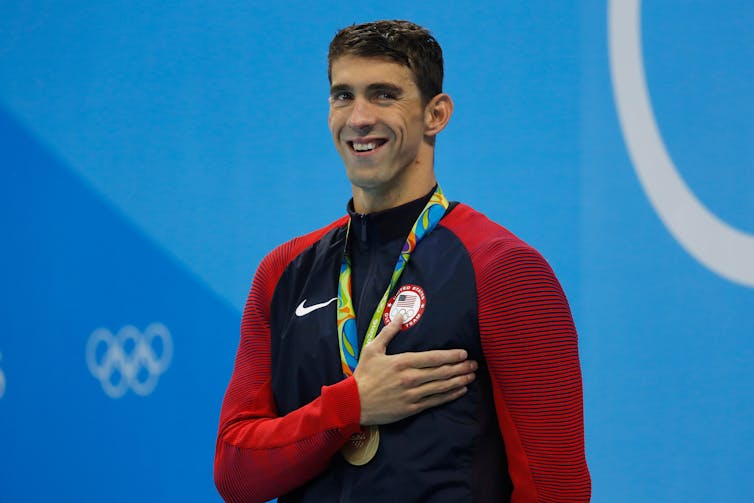
Michael Phelps, arguably the greatest swimmer of all time, has spoken at length about how swimming enabled him to cope with his ADHD.
However, mental wellbeing is about more than the absence of poor mental health. Swimming can help maintain self-esteem and increase confidence. It also facilitates the development of a growth mindset, which is the belief that you can develop your skills through hard work.
Swimming from a very young age in parent and baby lessons even has the potential to influence cognitive and motor development in infants.
Engagement in competitive swimming provides young people with transferable skills around discipline, time management, social interaction, teamwork and decision making. And whether for leisure or competitive purposes, swimming has the potential to be a lifelong activity, providing us with some of the very building blocks we need to maintain a happy and healthy lifestyle.
The UK’s swimming governing bodies have now united under a campaign, which aims to “save our pools”. Indeed, swimming should be viewed as essential for the health of the nation for years to come, and therefore needs to be protected.

Karen Howells does not work for, consult, own shares in or receive funding from any company or organisation that would benefit from this article, and has disclosed no relevant affiliations beyond their academic appointment.
: The Conversation – Articles (UK)
Have you tried: Farking?