
Coronavirus: how museums and galleries are preparing for the ‘new normal’:
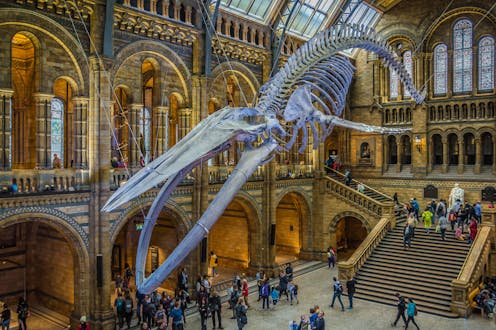
The announcement by UK prime minister, Boris Johnson, that a range of public spaces in England, including museums and art galleries, will be allowed to open on July 4 has everyone in the cultural sector working furiously to create a safe, inclusive and welcoming environment to entice people back in.
But they face many challenges. On top of the swingeing cuts to arts funding across the nations against which cultural providers have battled for decades, there is now the imperative to provide more inclusive and stimulating content to persuade audiences to return.
We’re lucky in Scotland in that we have a bit longer to work on this than our counterparts in England, but the issues remain the same. How can we make spaces as safe as possible while maintaining a welcoming atmosphere? And who is going to pay for these adjustments? How can we maintain the quality of our offerings and create content that is so compelling and engaging and inclusive that people will flock to see it despite the inconvenience of safety restrictions?
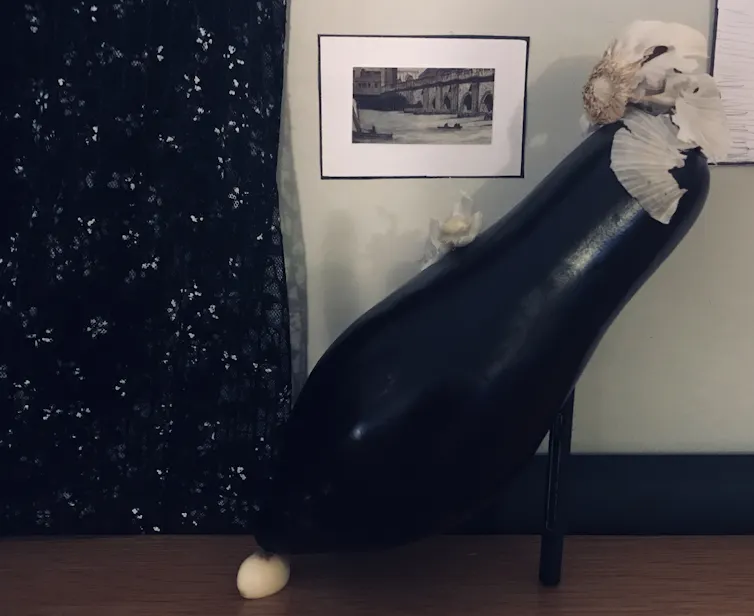
Social media has been vital to the way many people are navigating their way through lockdown, and the cultural sector – populated as it is with innovative and creative people – has risen to the occasion. One of the most successful and widely emulated initiatives was the Getty Museum’s online challenge to people to create their own copy of an artwork using easily reached objects and members of their household.
When the lockdown started, many museums, galleries and theatres moved quickly to get huge swaths of activity online. The Metropolitan Museum of Art in New York, for example, has really finessed its online offering. My own institution, the world-renowned Cooper Gallery at Duncan of Jordanstone College of Art & Design, had programmed a cutting-edge exhibition project with Laura Mulvey. The plan was to examine at her work with her husband, the avant-garde filmmaker Peter Wollen, who passed away in December 2019 at the age of 81. It was unable to open thanks to the lockdown. Principal curator Sophia Hao developed an online programme of events that has explored the work in an immersive and participatory way including live-streamed talks and writing projects.
Engaging in the virtual space
Online access to vast collections of artworks and magnificent performances has been a genuine joy to many people for whom the loss of access to culture would otherwise have been depressing. The fact that this work is now available to a much wider audience than can actually physically go to the galleries has meant that many non-traditional audiences are now able to engage with work that they would otherwise never have come across. I hope that this taster has encouraged many more people to really explore a new range of artistic and cultural offerings that they previously considered not to be for them.
Of course, those without access to fast broadband and up-to-date technology are still out in the cold. Access to free, inclusive, location-based engagement projects that are such an important part of the work of all museums and galleries has been cut off.
Safe – and sound
At the top of everyone’s agenda is of course safety. Maintaining physical restrictions with clear, accessible signage outlining lanes and one-way systems should be simple enough for creative exhibition designers. But it’s going to take a lot more to earn audience confidence.
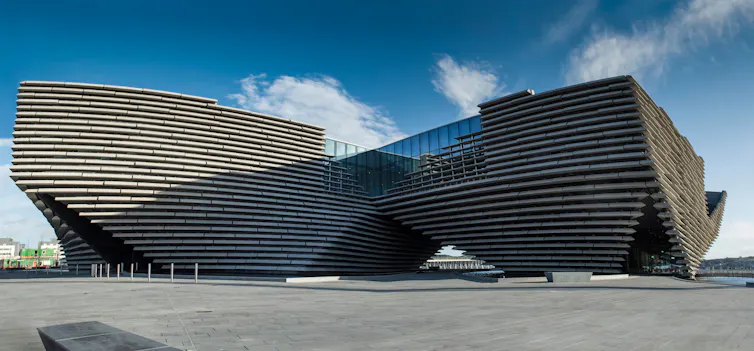
In Dundee, the main players in the cultural sector including V&A Dundee, Dundee Contemporary Arts, both universities and the city council are working collaboratively to create strategic plans for the reopening of venues.
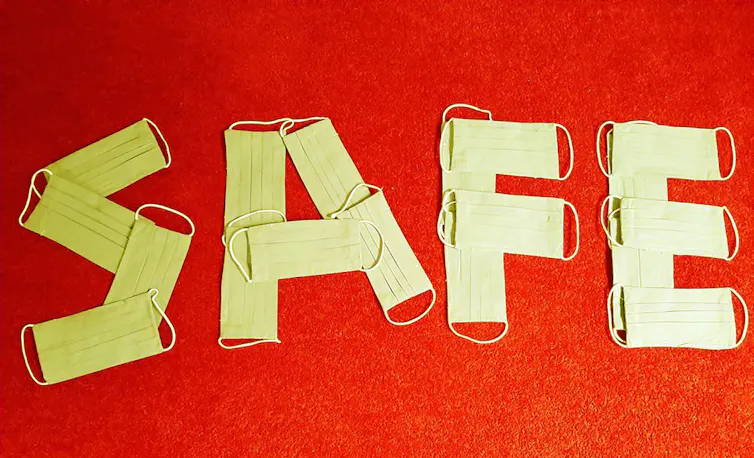
As well as developing clear messages about the value of culture to society and the economy as well as public health and communities, we are working on practical solutions to some of the practical issues. For example, building on a University of Dundee initiative to engage the local crafting community to create scrubs and masks for NHS workers a project is in development to commission local craft makers and small businesses to make masks for the cultural and tourist venues in the city. This will not only support self-employed practitioners to earn, but it will hopefully normalise the wearing of masks and facilitate a caring and community focused atmosphere in arts spaces.
Building audience confidence is a huge part of the equation, but it must be complemented by a renewed and innovative sense of purpose among curators and producers. There is an imperative to decolonise the way we display museum collections and programme exhibitions and theatrical productions and we must focus far more on accessibility, inclusion, equality and diversity. Alongside this, there is a need to create genuinely engaging content that will be strong, exciting and relevant enough to make it worthwhile coming out of lockdown bubbles.
Read more: Director of science at Kew: it’s time to decolonise botanical collections
Let’s just hope that funding is allocated to make this transition possible and that the multifaceted benefits of engagement with the arts are recognised as the essential element of the human experience that we know it to be. If anyone can come up with innovative designs to deal with these issues, it’s a sector that is populated by some of the most creative people in the country.

Janice Aitken is a trustee of Dundee Women's Aid, Tin Roof Artists collective, the Duncan of Jordanstone Centenary Trust.
: The Conversation – Articles (UK)
Have you tried: Travelling to South Africa?