
Beijing 2022: why some athletes struggle with their mental health after the Olympics:
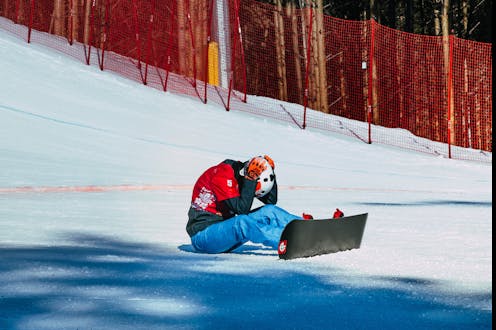
After the rush of competing at the Olympics and Paralympics, you’d expect an athlete to feel on top of the world as they return home. But for some athletes, the period after the Olympics and Paralympics can be an especially challenging time. Though it might not effect everyone, many athletes experience mental health problems after competing in the Games – sometimes known as a “post-Olympic dark period”.
Many athletes have opened up in the past about the mental health struggles they faced while adjusting to life after the Games. For instance, Olympic skier Nick Goepper reported feeling extremely depressed and even contemplated killing himself after returning home following his bronze medal win at the 2014 Winter Olympics. And the most decorated Olympian of all time, Michael Phelps, has spoken about experiencing severe post-Olympic depression.
According to research from 2021, around 24% of Olympic and Paralympic athletes reported experiencing high or very high psychological distress after the Games. There are many reasons an athlete might experience a post-Olympic dark period. In some cases, many factors may be involved.
For example, failing to live up to performance expectations, not making a final or not achieving a personal best are all reported to affect an athlete’s wellbeing after the Games. Under-performing can be particularly distressing, especially given the Olympics or Paralmypics only take place once every four years. This means some athletes will only get one chance in their lifetime to qualify.
Other factors linked to post-Olympic dark periods include the the euphoria of winning waning, loss of celebrity status, trouble readjusting to life at home, less social support from teammates, injury and lack of routine after competition.
Interestingly, even athletes who win a medal or perform better than expected can experience post-Olympic dark periods – though this might not happen until weeks after the Games. For them, the first several weeks following the Games are filled with media engagements and appearances. But as interest in them subsides, they may begin to experience low mood, isolation and other symptoms of depression.
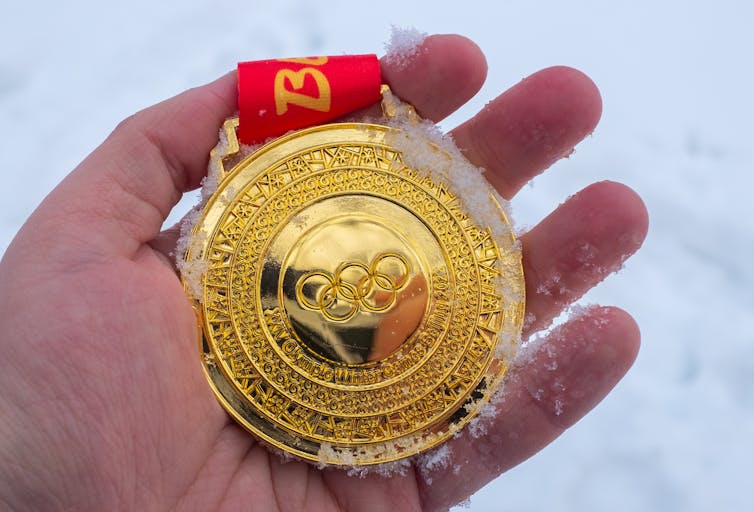
Athletic identity
Identity can also play a key role in post-Olympic dark periods. Many athletes feel that they need to have an intense dedication to their sport in order to achieve success, which often starts at a young age. But having their identity solely revolve around being an athlete can also lead to mental health struggles when they face challenges – such as underperforming, getting injured or retiring, which can all threaten their identity. When being an athlete is a person’s only focus, it often means that they haven’t invested in other interests or considered the possibility of another career.
Athletes who felt like they were losing their identity in this way after competing in the Olympics reported experiencing poor mental health, including distress and depression. Even athletes who have a positive outcome during the Games can feel this way.
How long these dark periods last for can vary between athletes. But in particular, those who struggle to let go of poor performance may experience longer-term psychological distress. For example, one study detailed how an athlete held onto the distress of underperforming at the 2016 Rio de Janeiro Olympics until they were nearly due to compete in the 2018 Commonwealth Games. Retiring after the Olympics or Paralympics may also cause long term mental health problems. One study even showed 40% of former athletes struggled to come to terms with their retirement and others clung on to the past – even years later.
Moving forward
Many athletes want more support after competition to help them cope during this difficult time.
One way of doing this is encouraging them to broaden their identities. Although it sounds counterproductive, encouraging them to be more than just “an athlete” may help support their mental health throughout their career – and even as they face retirement. Anything from getting a new career, spending more time with family and friends and even going to school can help an athlete do this. Research has also found that having something to do – like going on a holiday or going back to school – was linked with better wellbeing for athletes after competing.
Developing a new sense of self outside of sport can also help reduce their feelings of total identity loss when faced with a difficult period in their athletic career – such as after the Olympics or Paralympics. Research even showed that athletes who reported feeling able to broaden their identity felt less stress and pressure – even when faced with retirement.
Less than 10% of athletes win medals at Olympic events. After so many years of training and preparation it’s understandable that an athlete might feel down or disappointed after competing. But helping them see beyond their performance or identity as an athlete might help them better cope after the Olympics and Paralympics end.

Lisa O'halloran does not work for, consult, own shares in or receive funding from any company or organisation that would benefit from this article, and has disclosed no relevant affiliations beyond their academic appointment.
: The Conversation – Articles (UK)
Have you tried: Farking?