
After coronavirus, another hidden respiratory disease lurks in the buildings we left behind:
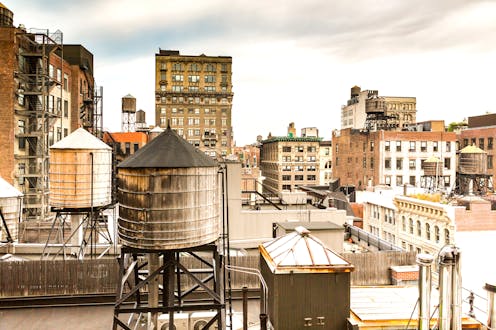
Global outbreaks of coronavirus have forced the closing of schools, gyms, offices and other buildings at a scale never seen before. Now, as countries start reopening after lockdown, those previously abandoned buildings could have become a breeding ground for another infection – Legionnaires’ disease.
Legionnaires’ disease is caused by inhaling water droplets that contain the Legionella pneumophilia bacteria. It’s quite rare, but the long periods of inactivity in buildings during lockdown greatly increases the risk of outbreaks.
What is Legionnaires’ disease?
Legionnaires’ disease causes severe pneumonia. In fact its symptoms could easily be mistaken for COVID-19. They include fever, dry cough, shortness of breath and muscle pain. This means the potential for increased incidence of Legionnaires’ due to missed diagnosis cannot be overstated.
Unlike COVID-19, Legionnaires’ does not spread from person to person but causes large community outbreaks through contaminated airborne water droplets from sources including showerheads, taps, cooling towers, air-conditioning systems, spa pools, hot tubs and water fountains.
The disease can be deadly, and infects multiple people at once. A recent outbreak in North Carolina saw 124 people contract the disease and four people die after walking past a infected hot tub display.
The bacteria live in warm environments, surviving in biofilm – clusters of microbial life that gather on surfaces – and feeding on pipework sludge and sediment.
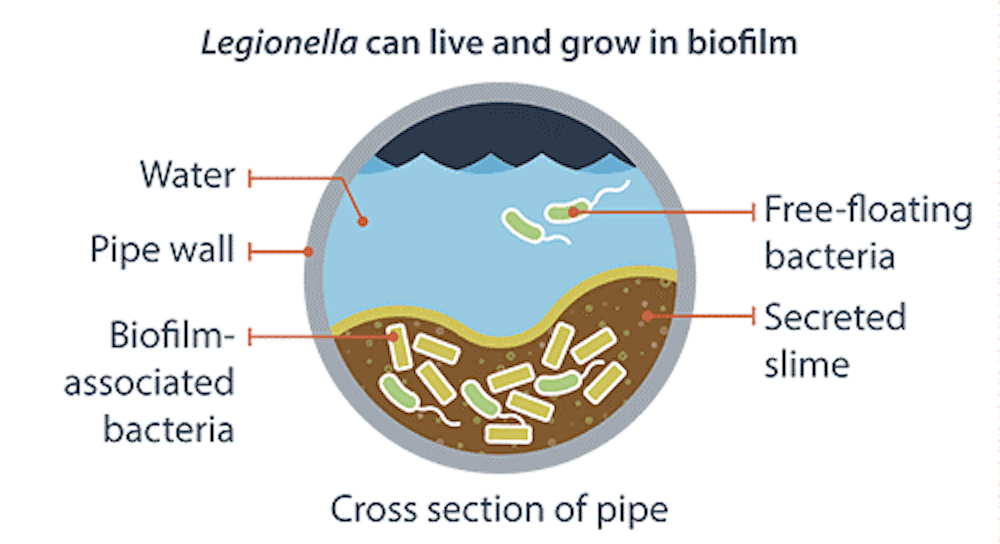
All water systems are at risk of this foreseeable and preventable contamination, but dormant and decommissioned buildings are especially at risk. That’s because intermittent use of buildings and equipment and the interruption of cleaning regimes increase the likelihood of water stagnation, which in turn increases the likelihood of a Legionella outbreak.
What is the risk?
The end of lockdown could not come at a worse time for potential Legionnaires’ outbreaks. The Legionella bacteria flourishes in summer months, as the optimum range for the bacteria is between 20-45°C.
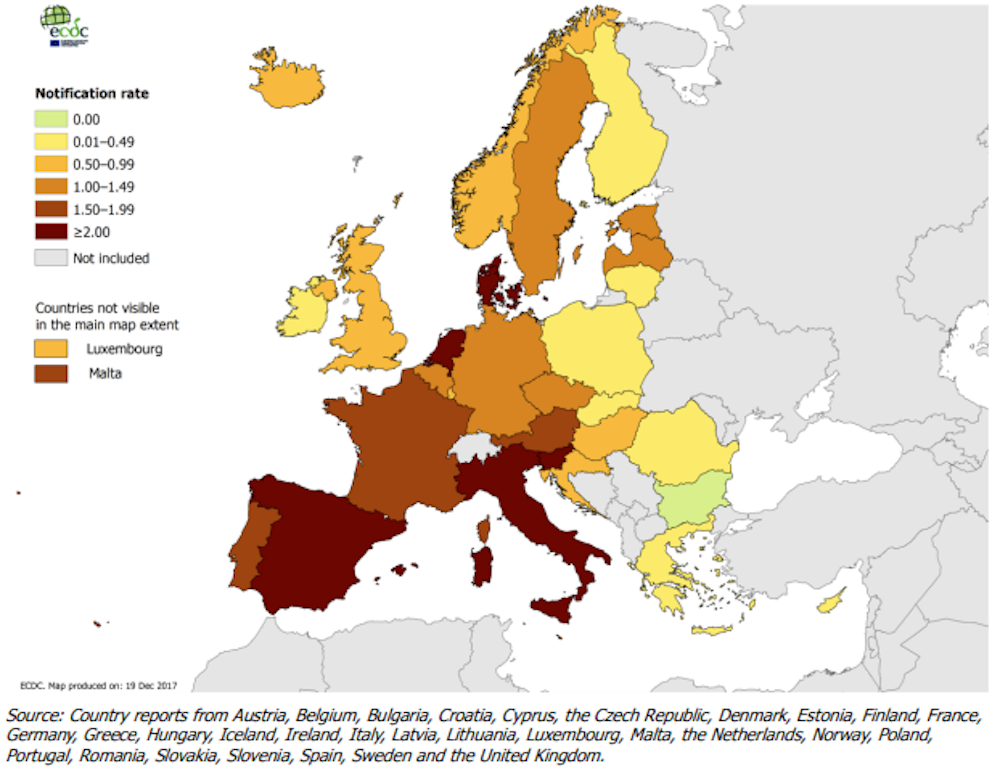
Even more worryingly, countries that have had some of the most stringent lockdowns – and which as a result will have large numbers of disused buildings – are the countries where this disease is most common. France, Germany, Italy, Spain, the UK and Netherlands accounted for 70% of all cases reported in Europe in 2017. Of those, 10-15% of cases report a fatal outcome.
Meanwhile, the US, which has had widespread lockdowns, has experienced an 800% increase in reported cases over the past 20 years, probably because environmental impacts such as increased rainfall and warmer temperatures benefit the growth of Legionella.
As well as the risk in public buildings, there is also potential for increased domestic exposure as a result of the coronavirus pandemic.
Consumer buying trends report hot tub sales are surging – one online seller reported a 1600% increase in demand during lockdown. As the North Carolina example shows, hot tubs can become a breeding ground for Legionnaires’ when they are not cleaned or disinfected properly.
COVID-19 vs Legionnaires’ disease
At-risk groups for Legionnaires’ disease are largely the same as for COVID-19 – 90% of cases affect people over 45, and two-thirds are male. Having chronic lung disease and other illnesses such as diabetes increases your risk of severe illness from Legionnaires’ disease, just as it does for COVID-19.

But the strategy for fighting COVID-19 is not the one to adopt for Legionnaires’ disease.
People suspected of illness with COVID-19 are typically asked to self-isolate for a period of 14 days to prevent passing on the disease to others. But Legionnaires’ disease cannot be passed from person to person, and the symptoms worsen significantly over a seven-day period. As Legionnaires’ is caused by a bacteria, prompt treatment with antibiotics is vital. Delaying treatment can result in severe respiratory failure.
The additional risk of Legionnaires’ disease to recovered COVID-19 patients is currently unknown. Pre-print studies of coronavirus cases in China and Japan found that 20% of COVID-19 patients were also infected with the Legionella bacteria. So it seems that coronavirus patients are more vulnerable to other community-acquired infections such as a Legionnaires’ and are at risk of acquiring it in hospital, as it can easily breed in medical facilities and equipment.
In the coming months as countries re-open, negative test results for coronavirus in those presenting with influenza and severe respiratory symptoms should be immediately referred for Legionnaires’ disease testing and not simply encouraged to recuperate alone. This could have a major impact on survival and recovery rates.
How your employer should keep you safe
Legionella can rapidly become a public health problem in everyday places such as offices, schools, colleges, healthcare settings, and factories. Employers are legally required to protect worker health from Legionella infection in most jurisdictions.
As countries exit lockdown, a comprehensive assessment must be made of all water systems in premises before anyone returns to work. Effective water management programmes in buildings, facilities and plant will eliminate this public health threat.
Increasing commercial and public awareness of Legionella controls is critical in long-term disease prevention. National and local publicity on Legionnaires’ disease risks when returning to work and leisure, along with guidance on the safe re-opening of buildings should help to reduce the likelihood of disease outbreaks.

Anne Clayson does not work for, consult, own shares in or receive funding from any company or organisation that would benefit from this article, and has disclosed no relevant affiliations beyond their academic appointment.
: The Conversation – Articles (UK)
Have you tried: Diving with Sharks?